 ×
×


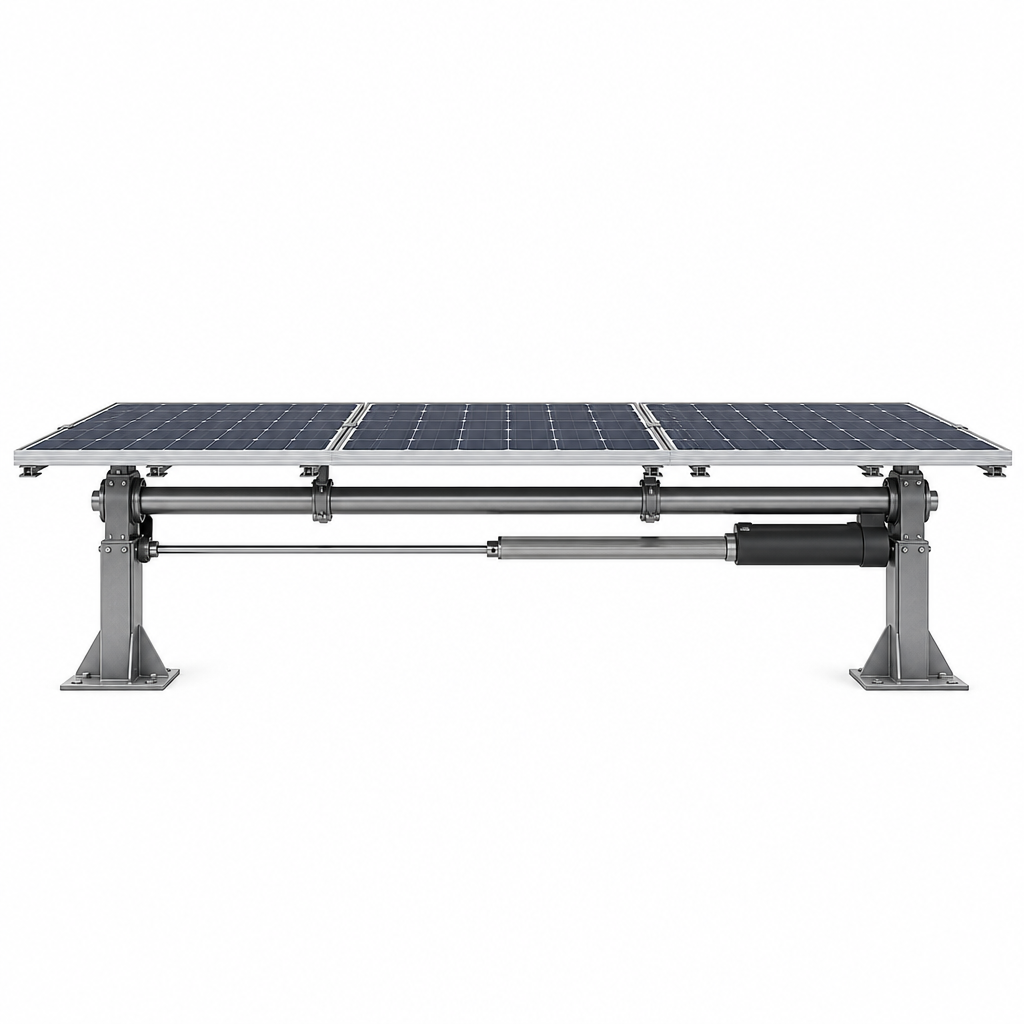
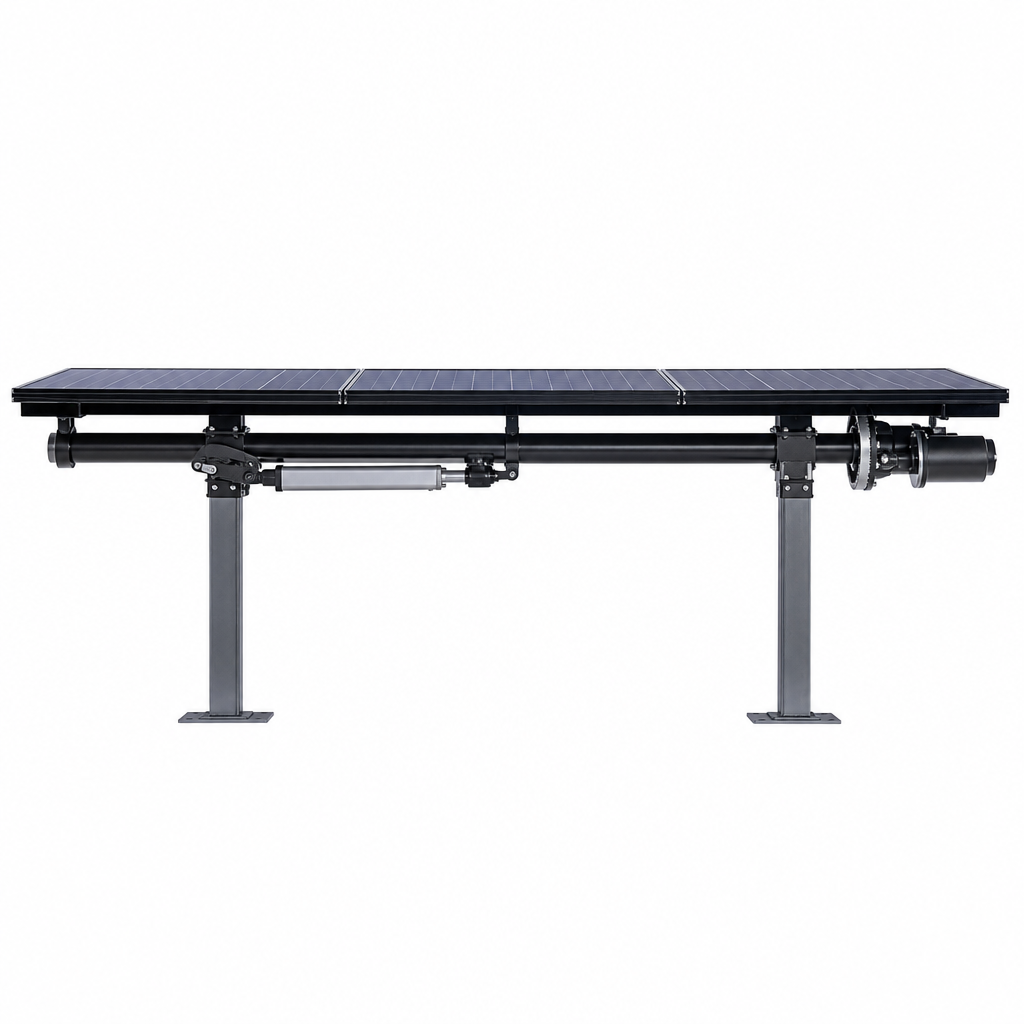
Storm-Ready Auto-Stow Tracking System | 42 m/s Wind Survival with Automated Flat-Stow Protection for Hurricane and Typhoon Zones
Wind is the single largest structural risk for single-axis trackers. A 50MW tracker installation represents approximately 250,000 m² of "sail area" when modules are at steep angles — equivalent to the lateral surface area of a 40-story building. When wind speeds exceed the tracker's design operating limit, uncontrolled row movement can cause module glass breakage, torque tube buckling, drive gear tooth failure, and cascading row collapse.
The Storm-Ready Auto-Stow Single-Axis Tracking System is engineered for regions where extreme wind events are a design condition, not an edge case. When the on-site anemometer registers wind speed exceeding the 25 m/s operating threshold, all tracker rows automatically rotate to a 0° flat-stow position in under 2 minutes — presenting minimal surface area to the wind and reducing structural loads by 60–70% compared to the maximum-tilt operating position.
What makes this system storm-rated, not just "with wind stow":
Redundant wind speed measurement: Dual anemometers on opposite sides of the site with independent power supplies; if one fails, the second triggers stow independently
Battery-backed stow actuation: Each drive motor has a local battery backup sufficient for stow + 24 hours of standby, ensuring stow completion even if grid power is lost during the storm — the most common cause of tracker wind damage
Mechanical stow latch: A passive mechanical latch engages at the 0° position, locking the row flat without requiring continuous motor power. The latch releases automatically when wind speed drops below 18 m/s for 30+ minutes
Post-storm auto-recovery: After the wind event passes, the controller runs a diagnostic self-test (checking inclinometer calibration, motor current draw, communication links) before returning rows to tracking mode
Parameter |
Specification |
Tracking Type |
1P / 2P Horizontal Single-Axis |
Operating Wind Speed |
Up to 25 m/s (normal tracking) |
Stow Trigger Wind Speed |
25 m/s (configurable) |
Survival Wind Speed (Stowed) |
42 m/s (Category 2 hurricane equivalent) |
Stow Completion Time |
< 2 minutes (full field) |
Stow Position |
0° (flat horizontal) |
Stow Locking |
Mechanical latch (passive, no power required to hold) |
Battery Backup |
24-hour standby per drive unit |
Recovery Wind Threshold |
< 18 m/s sustained for 30 minutes |
Post-Storm Self-Test |
Inclinometer calibration, motor current, communication |
Structural Warranty |
20 years |
Hurricane-prone regions (Caribbean, Gulf of Mexico, US Southeast, Philippines, Vietnam)
Typhoon zones (Japan, Taiwan, coastal China, South Korea)
Cyclone regions (Northern Australia, Indian Ocean islands, Bangladesh)
Any tracker installation where the 50-year design wind speed exceeds 35 m/s
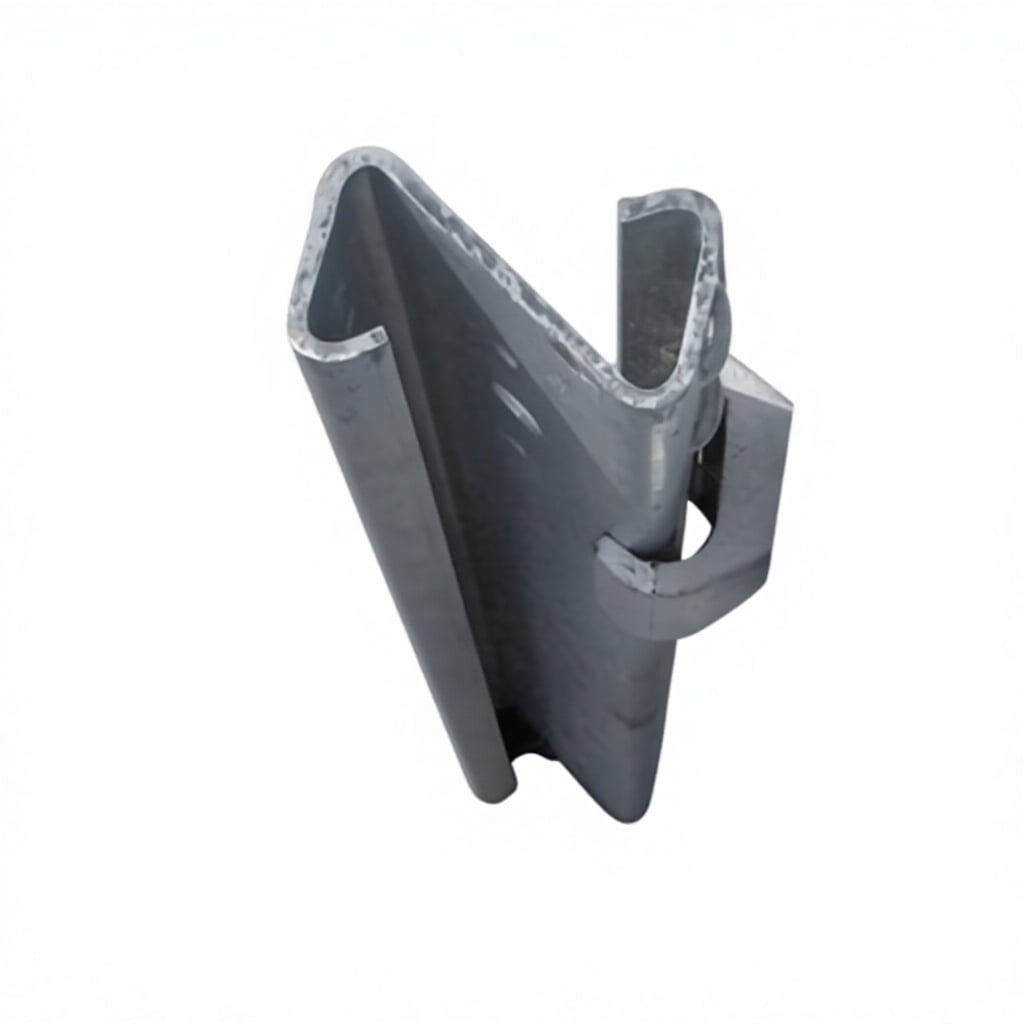
The mechanical stow latch is the critical differentiator between a system that "parks" in wind and one that survives in wind. Most tracker wind damage occurs not during the peak gust, but 2–3 hours into the storm when grid power fails and motor holding torque is lost, allowing rows to rotate freely and catch wind. Our latch is a spring-loaded stainless steel pin that engages a receiver plate on the pile cap at exactly 0° tilt. Once engaged, it carries the full wind load mechanically — the drive motor can be completely unpowered and the row remains locked flat.
Challenge: Project site in a region experiencing 2–3 typhoon landfalls per year, with recorded wind gusts to 40 m/s. Previous tracker installation at a nearby site suffered \$2.8M in structural damage during Typhoon Goni (2020) when grid power failed during the storm and rows could not complete stow.
Solution: Storm-Ready system with mechanical latch, dual anemometers, and battery backup on every drive unit. Q355B torque tube with 15% oversizing for dynamic gust loading. Foundation embedment increased 20% for saturated soil conditions during typhoon rainfall.
Result: System has experienced 7 typhoon stow events in 3 years of operation. All stow sequences completed successfully. Zero structural or module damage. Post-storm self-test and return to tracking averaged 4 hours from wind-speed drop below threshold. Insurance premium reduced 18% for the project due to demonstrated storm-survival capability.
Q. Does the battery backup require regular replacement?
The LiFePO4 battery packs are rated for 10-year service life with annual capacity testing. Replacement cost is approximately \$120 per drive unit. Battery health is monitored via the central controller and flagged when capacity drops below 80% of nominal.
Q. Can the system differentiate between a brief gust and a sustained storm?
Yes. The stow trigger uses a 2-minute rolling average wind speed (configurable), not instantaneous gusts, to avoid unnecessary stow events from brief gust fronts. The recovery threshold uses a 30-minute sustained-below-threshold condition to avoid re-entering tracking mode during the tail end of a storm.
# |
Section |
Recommendation |
Format |
1 |
Hero |
Tracker field with dark storm clouds approaching |
1920×750px |
2 |
Stow sequence |
3-panel: tracking angle → transitioning → flat stow |
1000×300px |
3 |
Mechanical latch |
Close-up engineering photo: latch pin engaged in receiver plate |
800×600px |
4 |
Case Philippines |
Aerial of Luzon project post-typhoon, all rows intact |
1000×600px |
Primary: storm proof solar tracker, auto stow PV tracker, hurricane rated solar tracking system, wind survival solar tracker 42m/s
Secondary: typhoon zone solar tracker, battery backup tracker stow, mechanical stow latch solar, extreme weather solar mounting

 EN
EN