Solar Panel Mounting Angle Optimization Guide [2024]

Get a Free Quote

Our representative will contact you soon.
Email
Mobile/WhatsApp
Name
Company Name
Message
0/1000

Optimizing Solar Panel Mounting Angle for Maximum Energy Yield

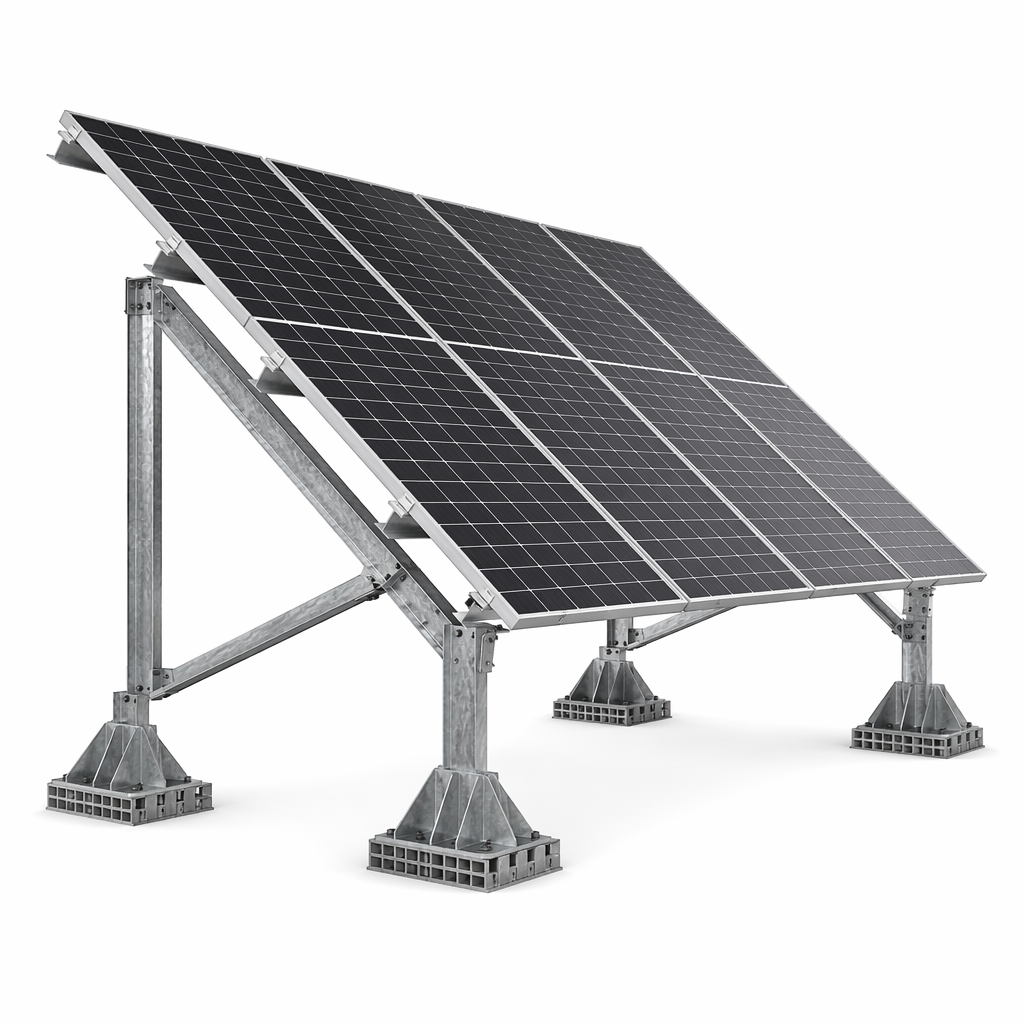
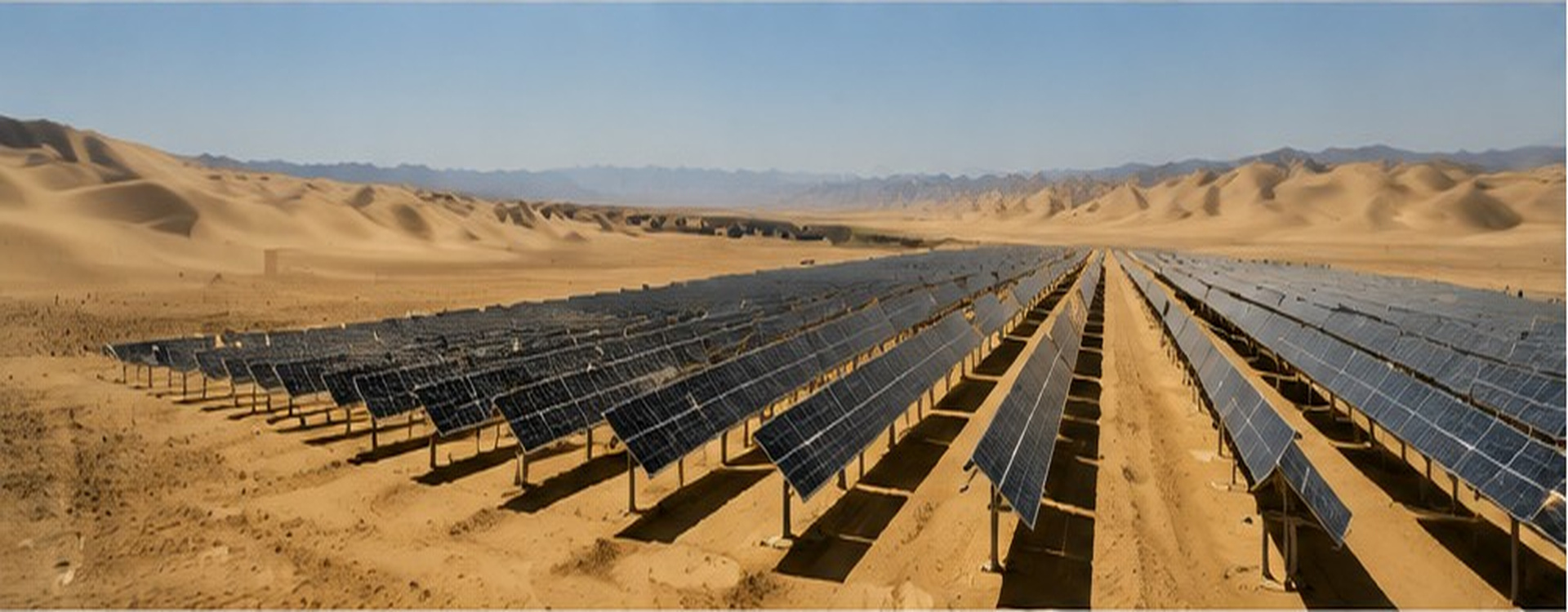
The solar panel mounting angle is a critical factor in the performance and efficiency of any photovoltaic (PV) system. At STEEL, we specialize in designing and manufacturing solar mounting systems that optimize the solar panel mounting angle for maximum energy yield. With over 15 years of experience and more than 50 countries served, we provide durable, cost-effective mounting solutions that are engineered to capture optimal sunlight throughout the year. Our team understands that the ideal solar panel mounting angle depends on geographic latitude, seasonal sun path, and specific project requirements. We offer a wide range of ground and roof mounting systems with adjustable tilt angles, allowing you to fine-tune the solar panel mounting angle for your location. Whether you are developing a utility-scale solar farm or a residential rooftop installation, our products ensure that your panels are positioned at the optimal angle to maximize power output and return on investment.
Get A Quote

Case Study

Maximized Energy Production

The solar panel mounting angle directly influences the amount of sunlight your panels receive, and therefore the energy they generate. Our mounting systems are engineered to allow precise adjustment of the solar panel mounting angle, ensuring that your panels are oriented to capture the maximum solar radiation throughout the day and across seasons. With our solutions, you can increase your system's energy yield by up to 20% compared to fixed horizontal installations. By optimizing the angle, we help you maximize the return on your solar investment, reduce payback periods, and ensure that your system operates at peak efficiency for years to come. Our expertise in angle optimization ensures that every project is tailored to its specific geographic location, taking into account latitude, climate, and shading conditions. This level of customization sets us apart and guarantees that you are getting the most out of your solar panels.

Structural Durability and Stability

At STEEL, we understand that a solar mounting system must withstand harsh environmental conditions while maintaining the optimal solar panel mounting angle. Our products are manufactured from high-grade steel, hot-dip galvanized for corrosion resistance, and designed to meet international standards for wind and snow loads. This ensures that your panels remain securely positioned at the correct angle, even in extreme weather. Our rigorous quality control processes guarantee that every component meets strict specifications, providing long-term reliability and reducing maintenance costs. We also offer custom engineering to adapt our mounting systems to unique site conditions, such as high wind zones or uneven terrain. With our durable structures, you can have peace of mind knowing that your solar panel mounting angle is preserved, protecting your investment and ensuring consistent energy production over the system's lifespan.

Versatility and Customization

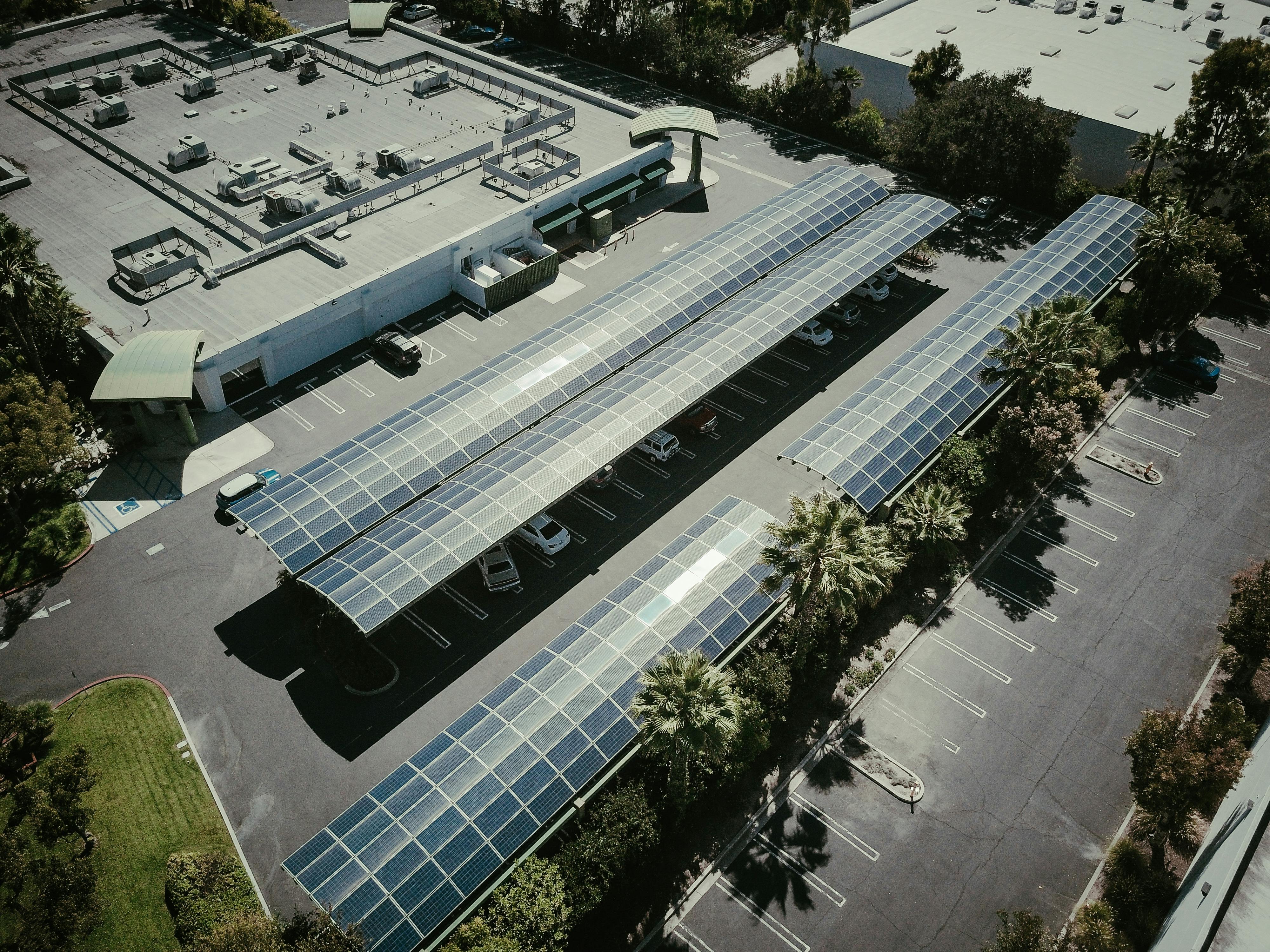
We recognize that no two solar projects are the same, and the optimal solar panel mounting angle can vary greatly depending on the application. That's why we offer a wide range of mounting solutions, including fixed tilt, adjustable tilt, and seasonal tilt systems. Our ground mounts are available in various configurations, from standard structures to those designed for single-axis or dual-axis tracking, which can further optimize the angle throughout the day. For rooftop installations, we provide rail-based systems that can be adjusted to match the roof's pitch and orientation. Our OEM and customization services allow us to design mounting structures that precisely meet your specifications, ensuring that the solar panel mounting angle is perfectly aligned with your energy goals.

Related products

Understanding and optimizing the solar panel mounting angle is essential for achieving maximum energy output from any photovoltaic installation. The angle, which is the tilt at which solar panels are set relative to the horizontal plane, determines how directly sunlight hits the panel surface. The sun's position in the sky varies throughout the year due to the Earth's tilt and orbit. At the equator, the sun is high in the sky, while at higher latitudes, the sun is lower, especially in winter. The optimal solar panel mounting angle for a fixed installation is generally equal to the latitude of the location. However, this can be adjusted based on the specific energy needs: if more energy is desired in winter, the angle is increased; if more in summer, it is decreased. For grid-tied systems, an angle equal to latitude is often a good compromise, but for off-grid systems, adjusting the angle to maximize winter production might be more important. The orientation also matters: in the northern hemisphere, panels should face true south, while in the southern hemisphere, they should face true north. Adjustable mounting systems offer the flexibility to change the angle seasonally, potentially increasing annual energy yield by up to 8% compared to a fixed tilt. At STEEL, we provide detailed guidelines and engineering support to help you determine the best solar panel mounting angle for your project. Our team uses advanced modeling software and local weather data to calculate the optimal angle, ensuring that your system performs at its best. We also consider factors like shading, panel spacing, and aesthetic requirements. By choosing STEEL, you benefit from our expertise and commitment to quality, ensuring that your solar investment delivers the highest possible returns.

Frequently Asked Questions

What is the best solar panel mounting angle for my location?

The optimal solar panel mounting angle depends on your geographic latitude and energy needs. As a general rule, for grid-tied systems, set the tilt angle equal to your latitude. For example, if you are at 30° latitude, tilt your panels at 30°. If you want to optimize for winter production, increase the angle by about 10°; for summer, decrease it by about 10°. However, this is a simplified guideline. For precise recommendations, you can use online solar angle calculators or consult our engineering team. At STEEL, we provide customized mounting solutions with adjustable angles, allowing you to fine-tune the angle for your specific site. Our experts can perform a detailed solar analysis using historical solar radiation data and your location's coordinates to determine the ideal solar panel mounting angle that balances annual energy production and your specific consumption patterns. By optimizing the angle, you can maximize your return on investment and achieve your energy goals.
Yes, the solar panel mounting angle has a substantial impact on energy production. Studies have shown that an incorrectly angled panel can lose 10-20% of its potential energy yield. For example, in the northern hemisphere, a panel installed flat on a low-slope roof will produce significantly less energy than one tilted to the optimal angle. The exact loss depends on your latitude and climate. In high-latitude areas, where the sun is low in the sky, a shallow angle results in more light being reflected away, reducing absorption. Conversely, in low-latitude areas, a steep angle may capture less light during certain seasons. By ensuring that the solar panel mounting angle is accurately set, you can maximize the amount of solar radiation captured, directly increasing your system's output and financial benefits. Therefore, it is crucial to invest in a mounting system that allows precise angle adjustment and to follow expert guidance.
Yes, with adjustable tilt mounting systems, you can easily change the solar panel mounting angle to optimize performance for different seasons or if your energy needs change. Our adjustable ground mounts allow you to manually change the tilt angle by releasing clamps, repositioning the frame, and re-tightening. The process typically takes a few minutes per panel, making it practical to adjust the angle two to four times a year. For example, you might increase the tilt in winter to capture more low-angle sunlight and decrease it in summer to reduce excess heat buildup and optimize summer output. Some of our systems also support seasonal adjustment with predefined angle settings. For those who prefer a hands-off approach, we offer single-axis tracking systems that automatically maintain the optimal solar panel mounting angle throughout the day, further boosting energy output. These systems use motors and sensors to follow the sun, but they are more expensive and require more maintenance.
Fixed tilt systems are installed at a predetermined angle, usually based on the site's latitude, and cannot be changed. They are simpler, cost-effective, and require no moving parts, making them a popular choice for large-scale projects. Adjustable tilt systems allow you to change the solar panel mounting angle manually, typically two to four times a year, to better capture seasonal sunlight variations. This can increase annual energy yield by 5-8% compared to a fixed tilt system. Our adjustable ground mounts feature a pivot mechanism and multiple setting points, allowing you to quickly change the angle. While they are slightly more expensive than fixed mounts, the increased energy production can offset the cost within a few years. For projects where maximizing energy output is critical, or in regions with significant seasonal variations in solar altitude, adjustable tilt systems are a wise investment. STEEL provides both options, and our engineers can help you decide which is best for
The solar panel mounting angle can indirectly affect the lifespan of your panels. Panels that are mounted at a steeper angle are less likely to accumulate dirt, dust, and snow, which can block sunlight and cause hotspots that degrade the panels over time. Steeper angles also allow for better rainwater runoff, keeping the panels cleaner. In snowy regions, a steeper angle helps snow slide off more easily, preventing ice dams and reducing the weight load. On the other hand, panels mounted at a very shallow angle may be more prone to soiling, especially if they are static, which can reduce their efficiency and cause premature aging. Therefore, an optimal solar panel mounting angle not only maximizes energy production but also contributes to better self-cleaning and reduced maintenance, potentially extending the life of your solar panels. At STEEL, we design our mounting systems to facilitate easy adjustment and cleaning, ensuring that your panels remain in peak condition for their entire 2

Related article

What load classes must a scaffolding system meet for heavy masonry support?

01

Aug

What load classes must a scaffolding system meet for heavy masonry support?

Masonry Support Is Different From General Access Scaffolding A scaffolding system used for heavy masonry support carries loads that are fundamentally different from a typical access scaffold used for painting or light electrical work. The difference ...
View More
Why should EPC contractors audit a steel structure fabrication plant before signing a contract?

18

Aug

Why should EPC contractors audit a steel structure fabrication plant before signing a contract?

The Difference Between a Fabricator and a Trader Shows Up in the Shop Floor A steel structure fabrication plant that looks impressive from the outside can still deliver substandard work if the internal systems don't hold up. EPC contractors often fac...
View More
What are the differences between walk-through and climb-through frame scaffolding designs?

21

Aug

What are the differences between walk-through and climb-through frame scaffolding designs?

The Name Tells Part of the Story, but Not All of It Walk-through and climb-through frame scaffolding sound like they might be the same thing with different names. They're not. The distinction matters on site—for safety, for productivity, and fo...
View More
How to assemble a ringlock scaffolding tower using the rosette connection method?

27

Aug

How to assemble a ringlock scaffolding tower using the rosette connection method?

The Rosette Is the Heart of the System Ringlock scaffolding gets its name from the ring-shaped connection node—the rosette—that sits at the heart of every joint. Understanding how this connection works is the key to assembling a tower tha...
View More

Customer Reviews

John M.

We were looking for a mounting system that would allow us to optimize the solar panel mounting angle for our solar farm in Arizona. STEEL provided a custom adjustable tilt ground mount that exceeded our expectations. The structure is incredibly robust, and the adjustment mechanism is smooth and reliable. We were able to set the angle perfectly to maximize our seasonal energy production, and we've seen a 15% increase in yield compared to our previous fixed system. The team at STEEL was professional and responsive, addressing all our technical queries. We highly recommend their products for any serious solar project.

Anna S.

As a solar installer in Germany, we need mounting systems that are easy to install and adjust to various roof pitches. STEEL's roof mounting systems are fantastic. They allow us to adjust the solar panel mounting angle quickly, ensuring our clients get the best possible performance from their panels. The quality is top-notch, and the delivery was on time. We have used STEEL for several residential projects, and our clients have reported excellent energy savings. The adjustable feature has been a huge selling point, as it allows homeowners to tweak the angle based on their electricity usage patterns. We look forward to working with STEEL for many more projects.

Get a Free Quote

Our representative will contact you soon.
Email
Mobile/WhatsApp
Name
Company Name
Message
0/1000
Precision Engineering for Optimal Angles

Precision Engineering for Optimal Angles

STEEL's mounting systems are engineered with precision to allow for exact adjustment of the solar panel mounting angle. Our adjustable tilt mechanisms feature multiple preset angles and fine-tuning capabilities, ensuring that you can achieve the perfect tilt for your location. We use laser-cut components and high-tensile steel to ensure that every setting is accurate and stable. Our systems are designed to maintain the set angle even under heavy wind or snow loads, thanks to reinforced brackets and robust locking systems. With our precision engineering, you can trust that your panels are always positioned at the optimal solar panel mounting angle for maximum energy generation, even in challenging environmental conditions.
Comprehensive Engineering Support

Comprehensive Engineering Support

At STEEL, we don't just manufacture mounting systems; we provide complete engineering support to help you determine the ideal solar panel mounting angle for your project. Our in-house engineering team uses advanced software and local solar radiation data to calculate the optimal tilt and orientation for your specific site. We consider factors such as latitude, longitude, local climate, shading obstacles, and your energy consumption profile. Based on this analysis, we provide detailed recommendations on the best solar panel mounting angle and recommend the appropriate mounting system. We also support our clients with installation guidelines and technical documentation, ensuring that the system is installed correctly. This comprehensive support ensures that you get the most out of your solar investment and that the solar panel mounting angle is optimized for your unique conditions.
Cost-Effective High-Performance Solutions

Cost-Effective High-Performance Solutions

We believe that optimizing the solar panel mounting angle should not break the bank. STEEL offers cost-effective mounting solutions that deliver high performance without compromising quality. Our adjustable tilt systems are priced competitively, and the potential increase in energy output can result in a payback period of less than two years for many projects. By improving the efficiency of your solar panels through optimal angling, you can reduce the levelized cost of electricity (LCOE) and increase the overall profitability of your system. Additionally, our durable structures require minimal maintenance, saving you time and money over the system's life. Our large-scale manufacturing capabilities allow us to offer competitive pricing for both standard and custom designs, ensuring that you get the best value for your investment. Choose STEEL for reliable, cost-effective solutions that maximize your solar energy production.