Maximized Energy Production
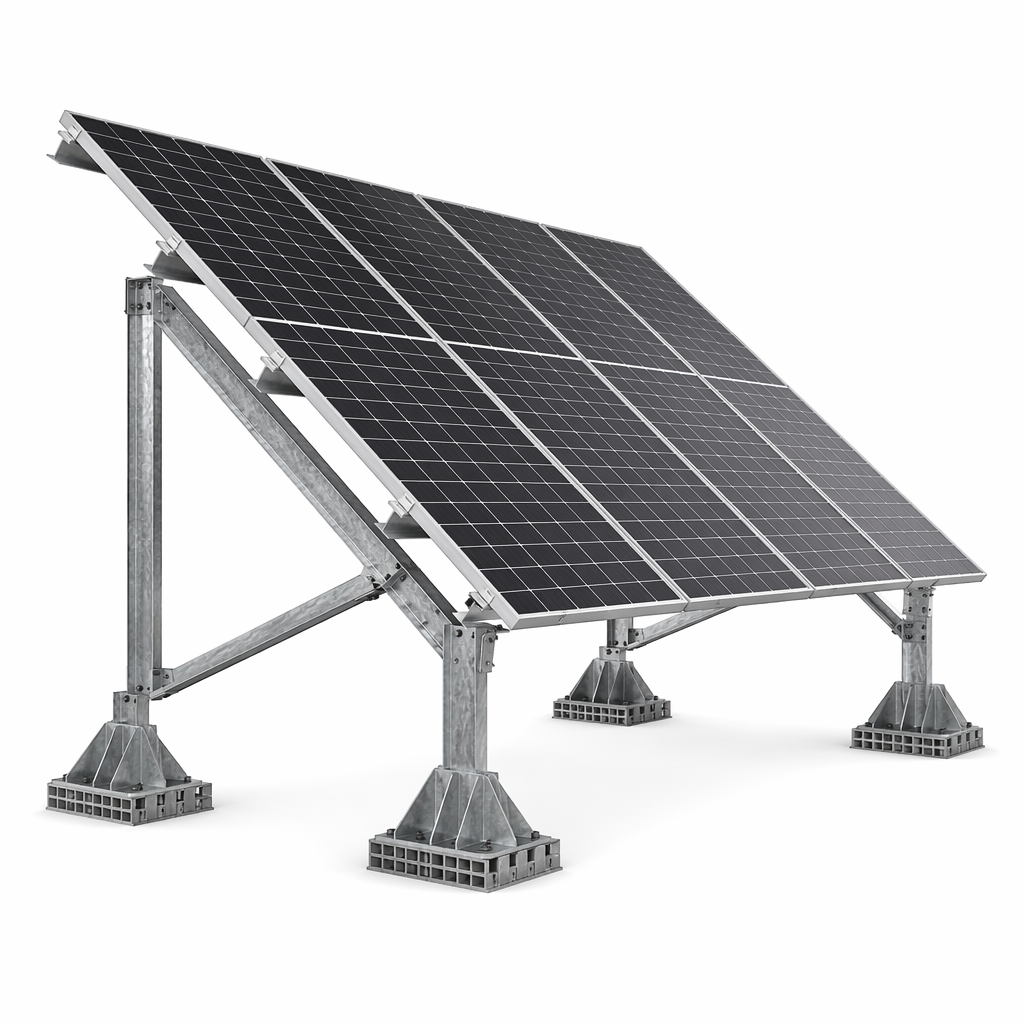
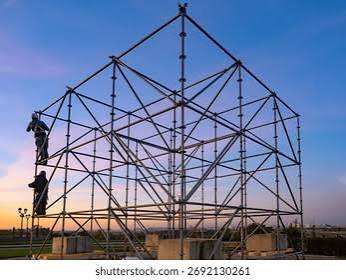
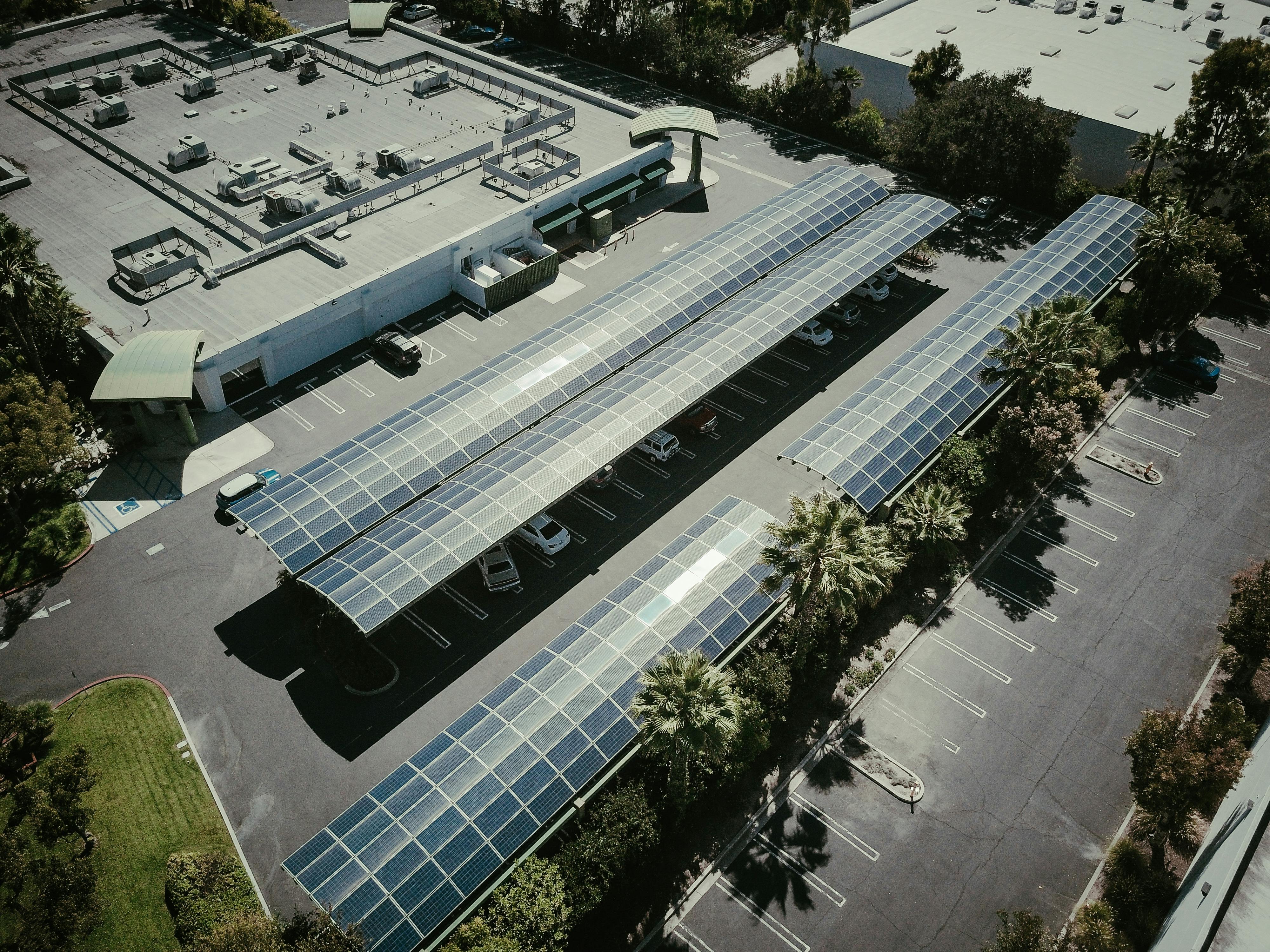
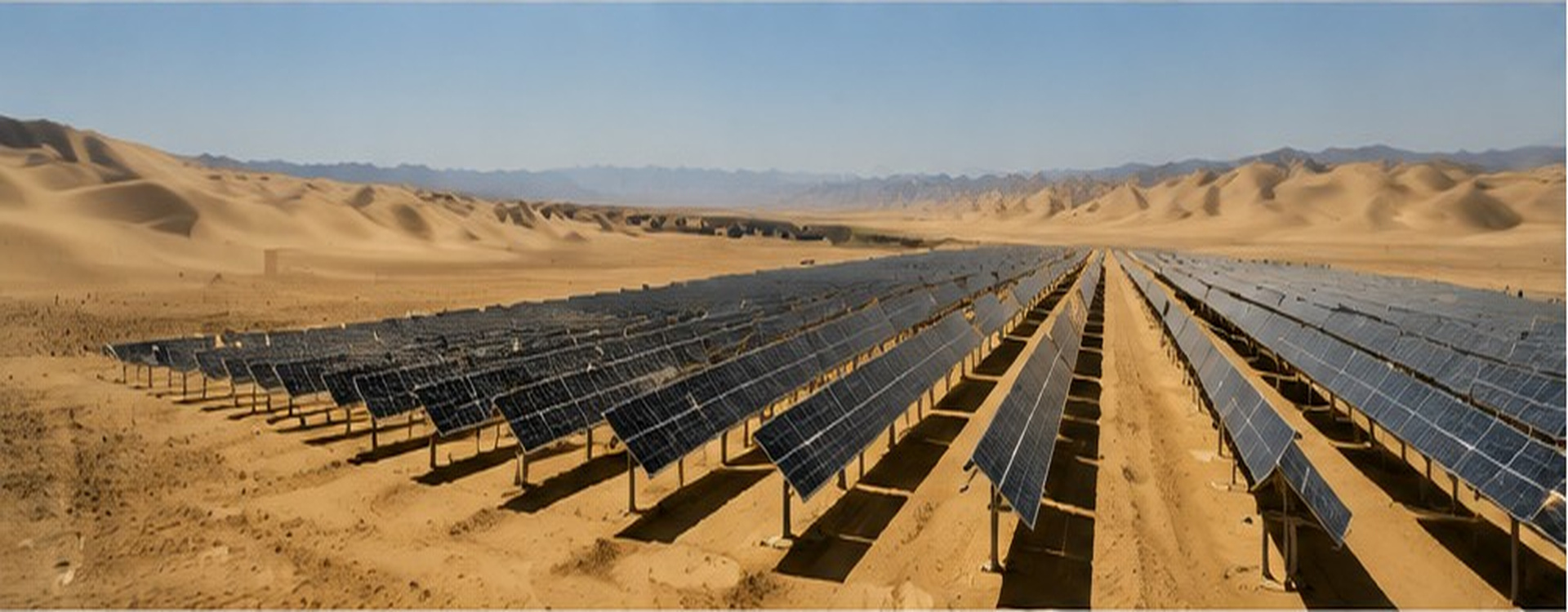
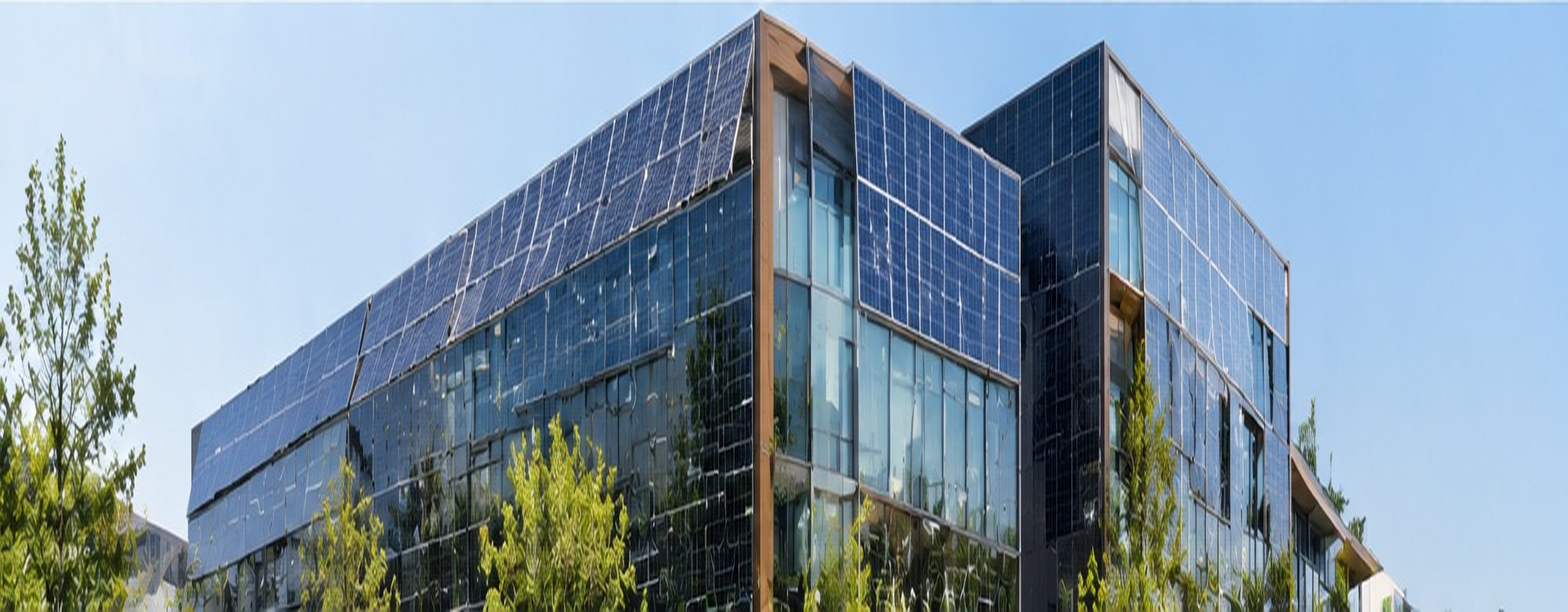
The solar panel mounting angle directly influences the amount of sunlight your panels receive, and therefore the energy they generate. Our mounting systems are engineered to allow precise adjustment of the solar panel mounting angle, ensuring that your panels are oriented to capture the maximum solar radiation throughout the day and across seasons. With our solutions, you can increase your system's energy yield by up to 20% compared to fixed horizontal installations. By optimizing the angle, we help you maximize the return on your solar investment, reduce payback periods, and ensure that your system operates at peak efficiency for years to come. Our expertise in angle optimization ensures that every project is tailored to its specific geographic location, taking into account latitude, climate, and shading conditions. This level of customization sets us apart and guarantees that you are getting the most out of your solar panels.

 EN
EN