Cross Bracing for Scaffolding: Enhancing Stability and Safety in Construction
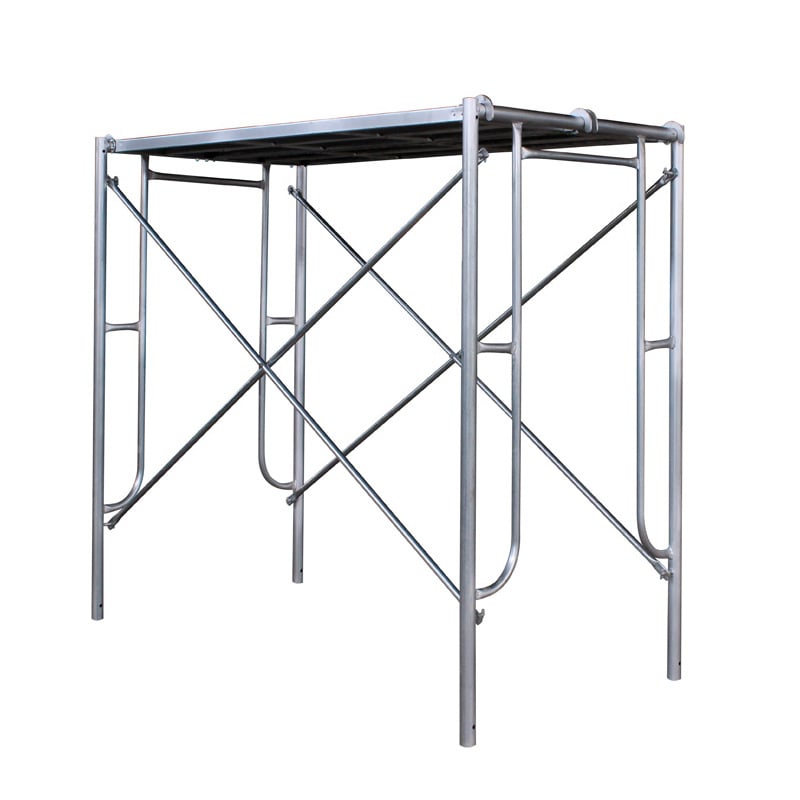
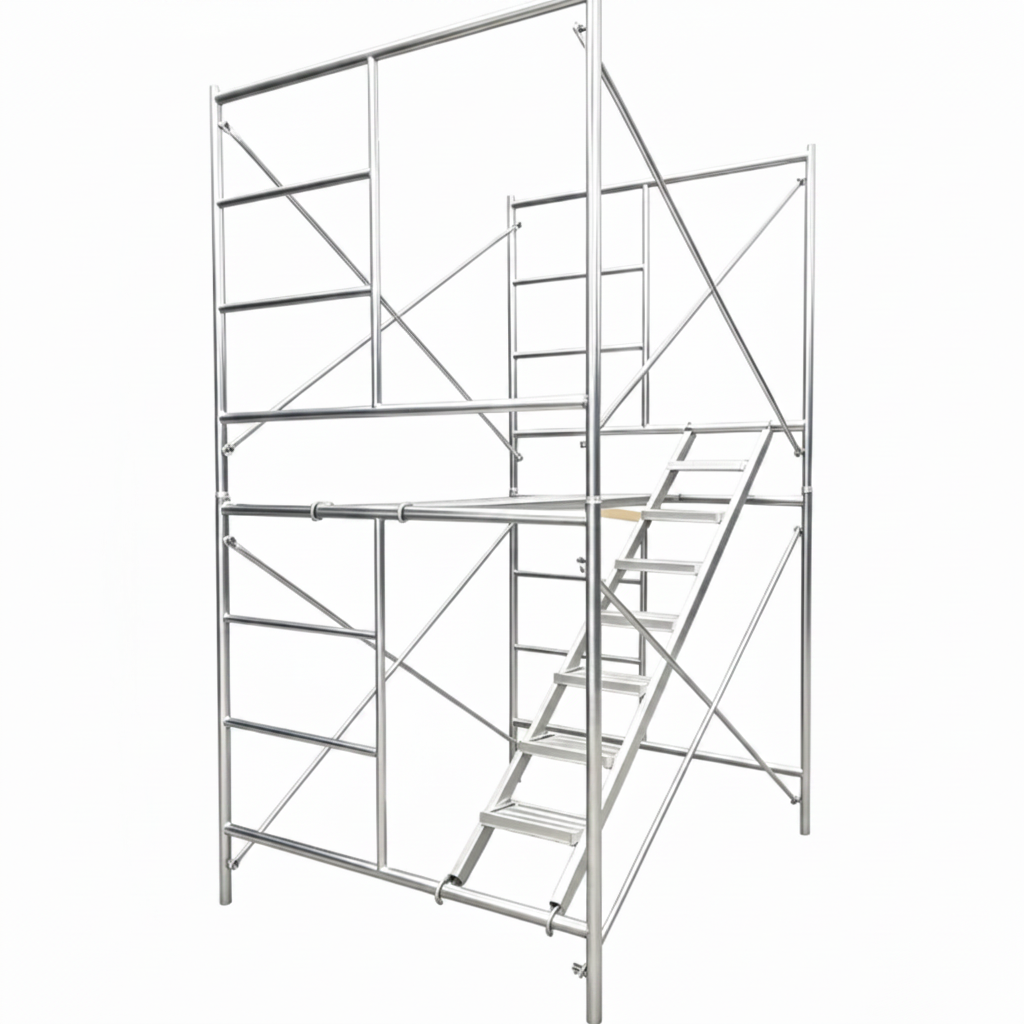
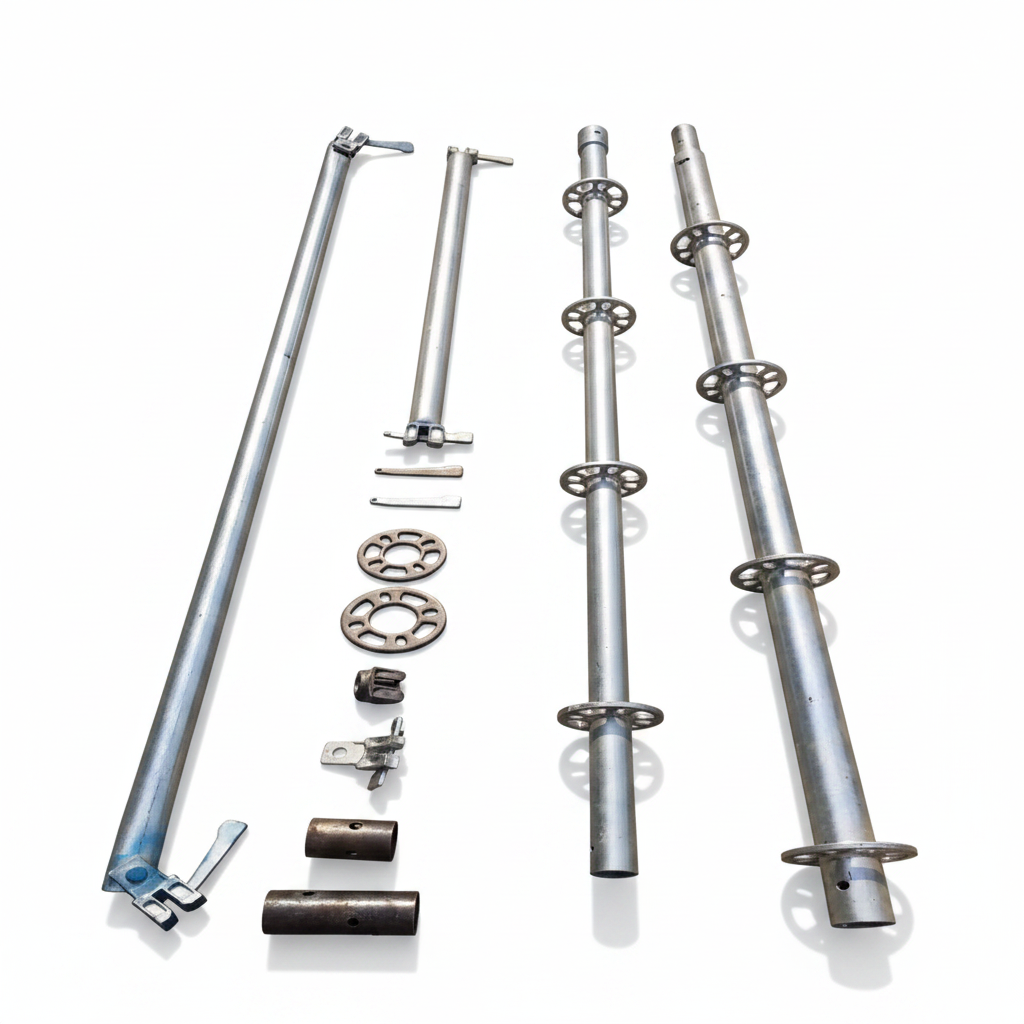
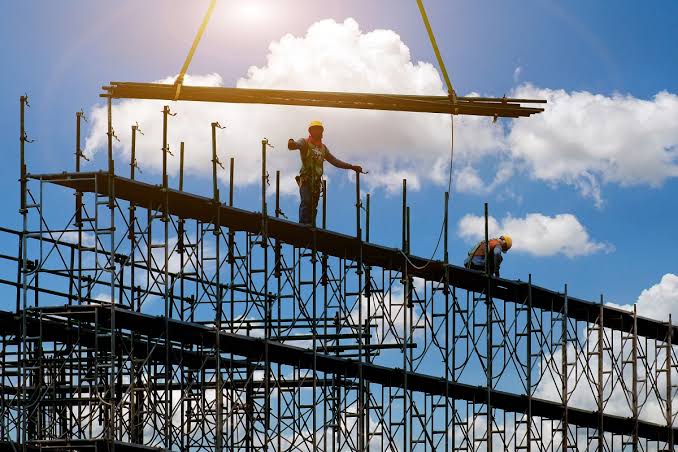
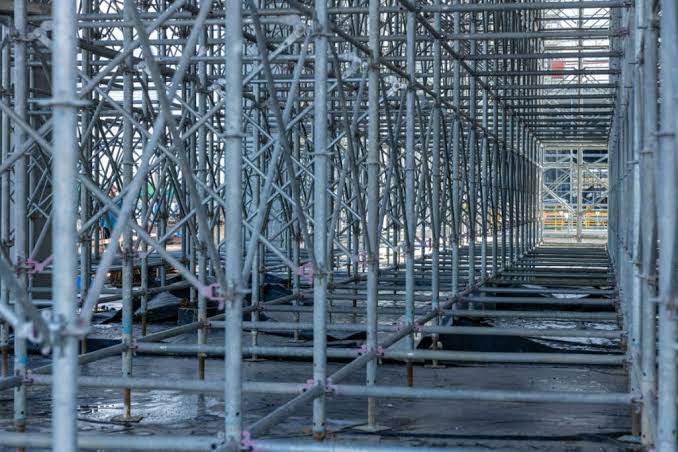
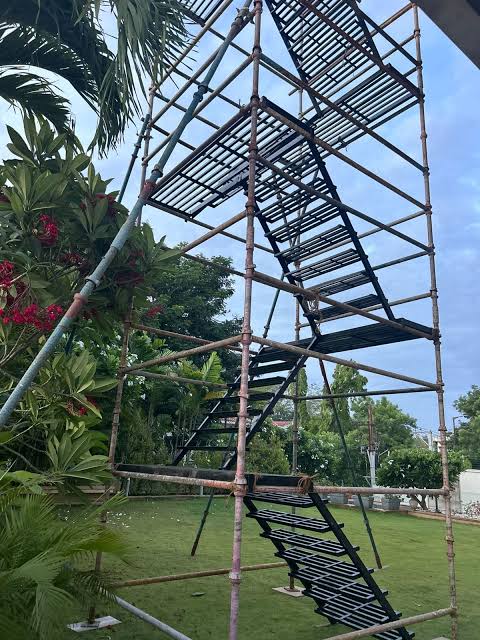
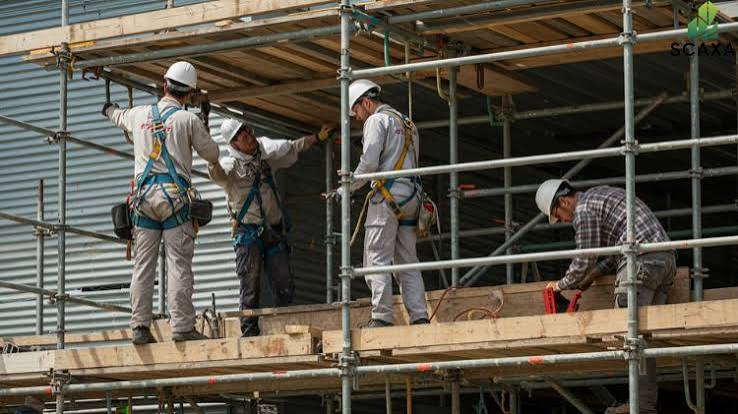
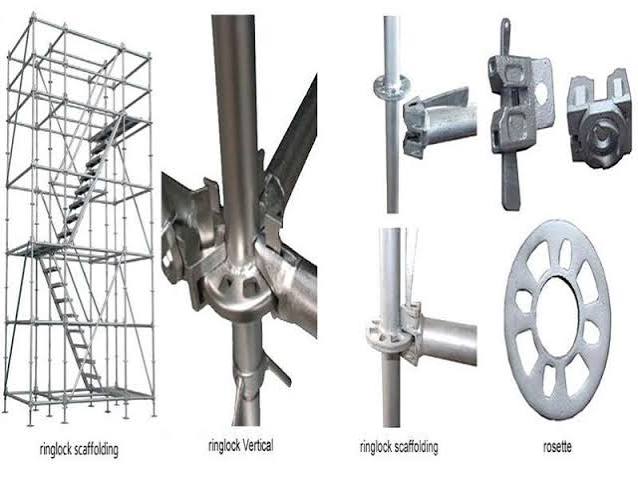
Cross bracing for scaffolding is a critical component in ensuring the structural integrity and safety of temporary works in construction projects. At STEEL, we manufacture high-quality cross braces designed to provide exceptional lateral stability, preventing scaffold deformation and collapse under dynamic loads. Our cross bracing solutions are engineered from premium-grade steel, offering superior strength, durability, and corrosion resistance, making them ideal for various applications, including building construction, maintenance, and industrial projects. With over 15 years of experience and a global footprint spanning 50+ countries, STEEL delivers cross bracing systems that meet international standards like EN 12811, OSHA, and AS/NZS 1576. Our commitment to precision manufacturing and rigorous quality control ensures that every brace delivers consistent performance, reducing on-site risks and enhancing worker safety.
Get A Quote

 EN
EN