Guardrail End Terminal Types: 7 Energy-Absorbing Solutions

Get a Free Quote

Our representative will contact you soon.
Email
Mobile/WhatsApp
Name
Company Name
Message
0/1000

Comprehensive Guide to Guardrail End Terminal Types

Discover the essential guardrail end terminal types for highway safety and infrastructure projects. This page provides an in-depth analysis of various end terminal designs, including their applications, benefits, and compliance with international standards. As a leading manufacturer with over 15 years of experience, STEEL offers high-quality, cost-effective guardrail solutions that meet global project requirements. Whether you are involved in road construction, maintenance, or safety upgrades, understanding the differences between end terminal types is crucial for ensuring optimal protection and performance. Our guide covers everything from energy-absorbing terminals to non-proprietary options, helping you make informed decisions for your specific needs. Explore our products, backed by robust manufacturing capabilities and rigorous quality control, to enhance the safety and durability of your infrastructure projects.
Get A Quote

Case Study

Comprehensive Range of Guardrail End Terminal Types

At STEEL, we offer a wide variety of guardrail end terminal types to suit diverse project requirements. From standard impact heads to advanced energy-absorbing systems, our portfolio ensures that you find the perfect solution for your highway safety needs. Each terminal is engineered to meet international standards, providing reliable performance and easy installation. Our extensive experience in the industry allows us to recommend the most suitable type based on traffic conditions, speed limits, and site-specific constraints. By choosing our comprehensive range, you benefit from enhanced safety, reduced maintenance costs, and compliance with regulatory requirements. Our terminals are tested to withstand high-impact collisions, minimizing the risk of vehicle penetration and occupant injury. With customizable options available, we ensure that your project receives the highest level of protection and efficiency.

Superior Quality and Durability

Our guardrail end terminal types are manufactured using premium materials, such as high-strength steel, and advanced production techniques. This ensures exceptional durability and long-lasting performance, even in harsh environmental conditions. All products undergo stringent quality control measures, including material verification, dimensional inspections, and impact testing, to guarantee consistency and reliability. As a result, our terminals offer superior resistance to corrosion, deformation, and wear, reducing lifecycle costs and maintenance frequency. Whether exposed to extreme weather, heavy traffic, or corrosive environments, our terminals maintain their structural integrity and safety functions over time. By investing in our high-quality products, you can trust that your infrastructure projects will deliver sustained performance and meet the highest safety standards.

Customized Engineering and OEM Support

Understanding that every project has unique requirements, STEEL provides customized engineering and OEM services for guardrail end terminal types. Our team of experts works closely with you to design terminals that align with your specific specifications, including dimensions, materials, and performance criteria. We offer flexible manufacturing capabilities, allowing for tailored solutions that fit seamlessly into your existing systems. Additionally, our OEM support ensures confidential and precise production according to your blueprints. This personalized approach guarantees optimal functionality, cost-effectiveness, and regulatory compliance. With over 15 years of experience in global markets, we have the expertise to deliver customized terminals that meet local standards and project demands. Whether you need a standard design or a bespoke solution, we are committed to providing exceptional service and value.

Related products

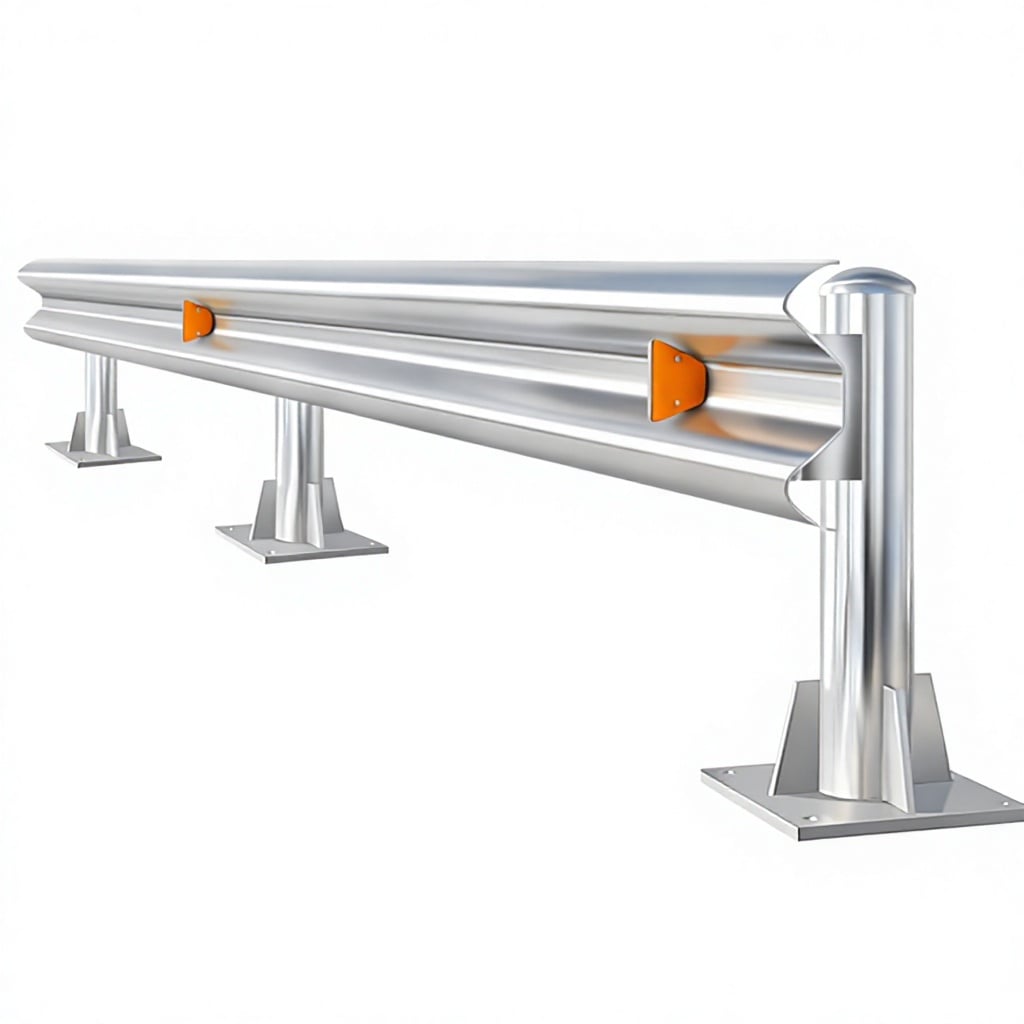
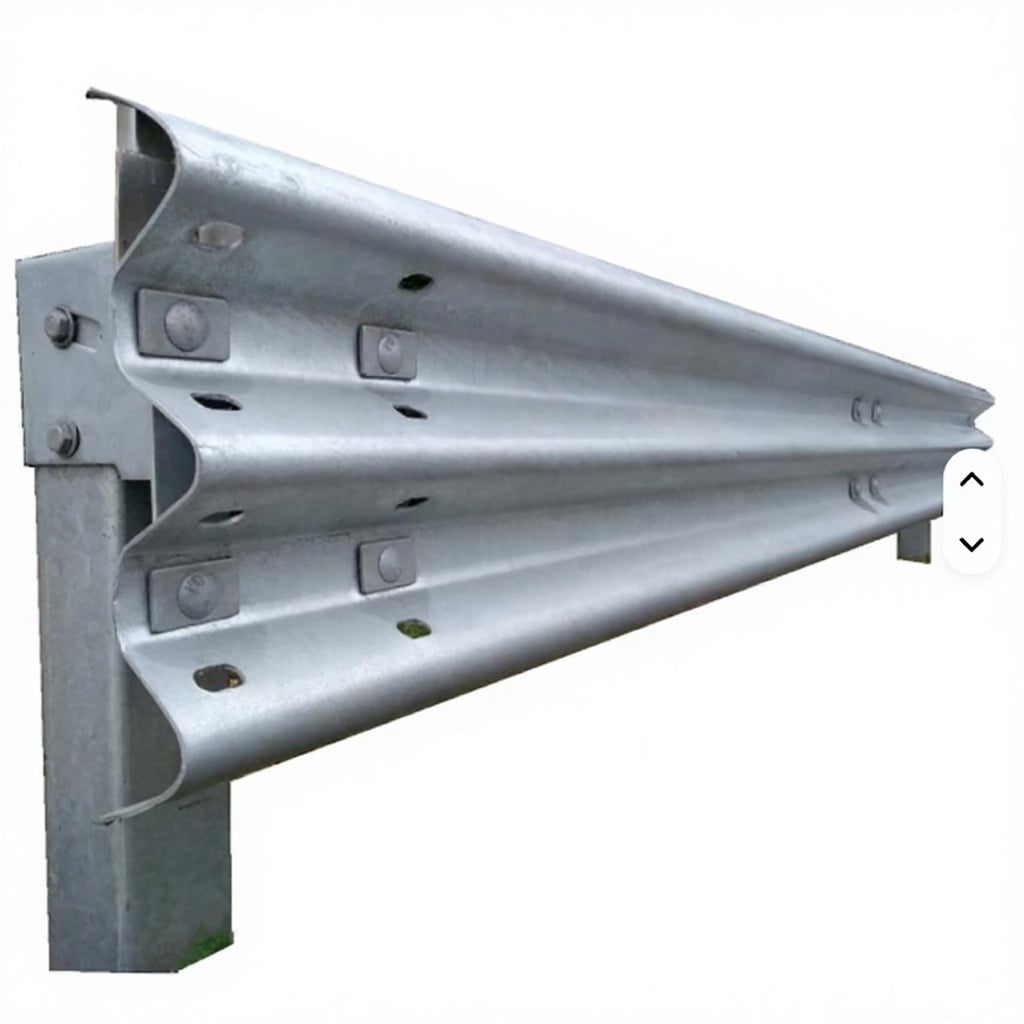
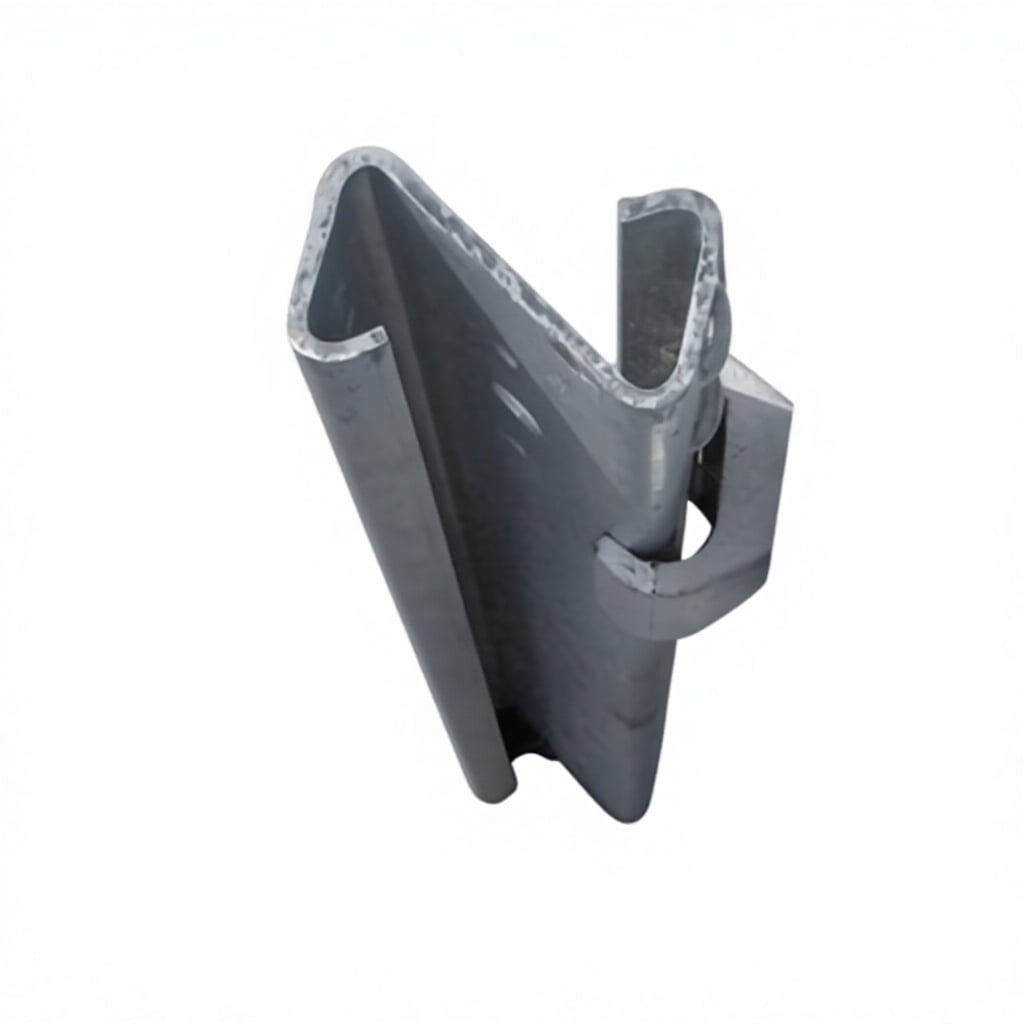
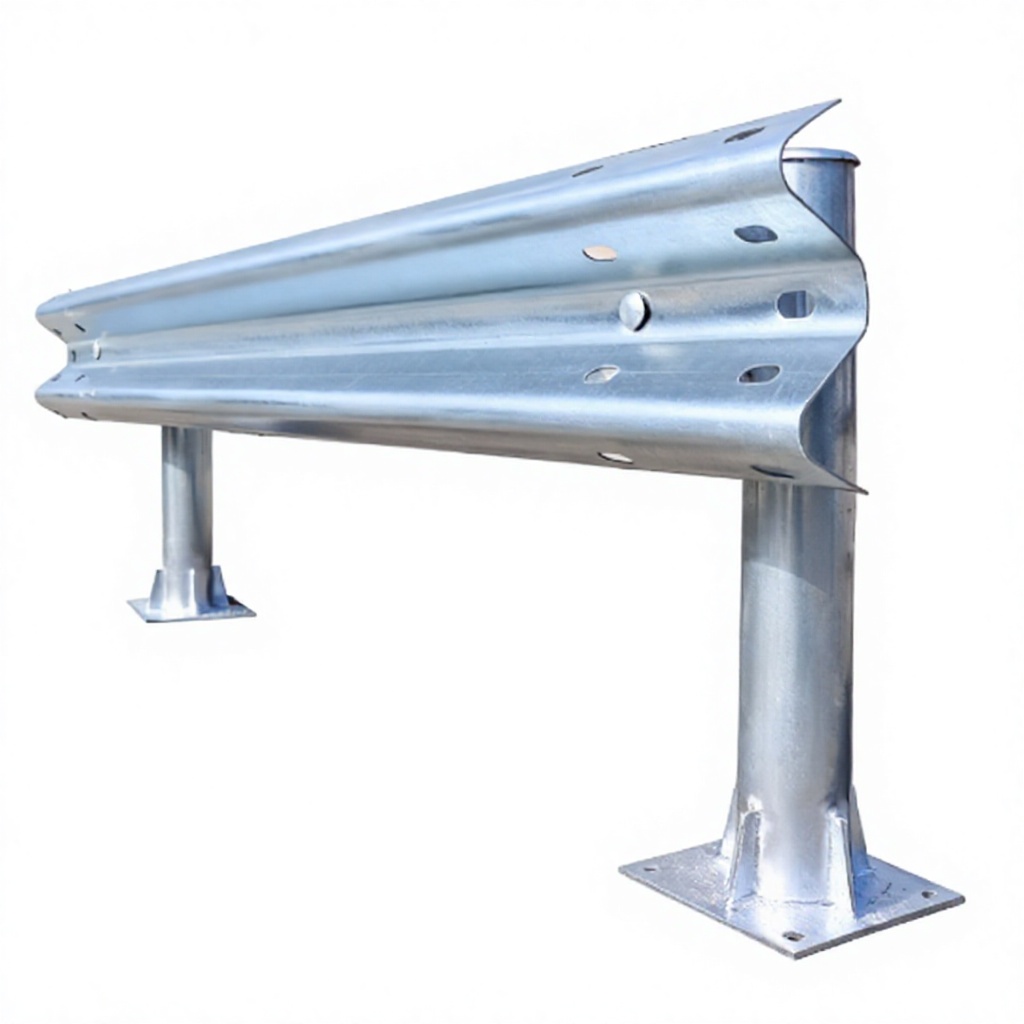
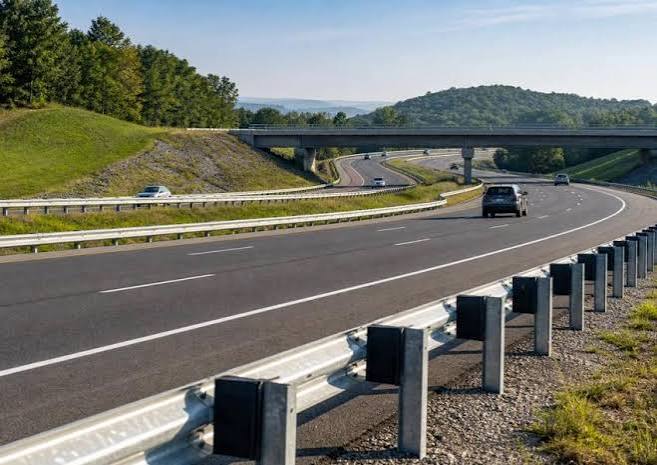
Guardrail end terminal types play a critical role in highway safety, as they prevent the blunt ends of guardrails from causing severe damage to vehicles and occupants. Selecting the appropriate terminal is essential for mitigating the severity of crashes and enhancing the overall effectiveness of roadside safety systems. The most common types include the breakaway cable terminal, which is designed to absorb impact energy and redirect vehicles away from hazards, and the extruding terminal, which deforms upon impact to dissipate kinetic energy. Other innovations include the slotted rail terminal, which improves crashworthiness through controlled bending, and the modified eccentric loader terminal, which enhances performance in narrow medians. Understanding the specific features and applications of each type allows engineers and project managers to make informed decisions based on factors like traffic volume, speed limits, and geometric constraints. At STEEL, we recognize the importance of providing high-quality end terminals that meet global safety standards while being adaptable to diverse environments. Our products are manufactured with precision and come in various configurations to suit both new installations and retrofitting projects. With over 15 years of export experience, we have helped clients worldwide enhance roadside safety through reliable, cost-effective solutions. By choosing the right guardrail end terminal type, you can significantly reduce the risk of severe accidents and ensure the well-being of all road users.

Frequently Asked Questions

What is the main function of a guardrail end terminal?

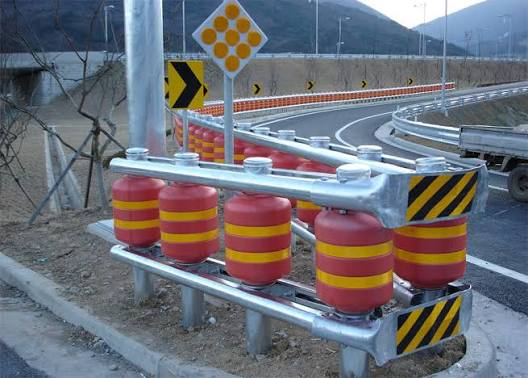
The primary function of a guardrail end terminal is to protect motorists by safely absorbing and dissipating kinetic energy during a crash. Without a terminal, the sharp, rigid end of a guardrail can act like a spear, causing severe damage to vehicles and injury to occupants. End terminals are designed to reduce the severity of impacts by either bending, flattening, or breaking in a controlled manner, redirecting the vehicle away from the hazard while minimizing deceleration forces. This significantly lowers the risk of fatalities and serious injuries. In addition, terminals help prevent rollovers and vehicle penetration into hazardous areas, enhancing overall roadside safety. At STEEL, our terminals are engineered to meet rigorous international standards, ensuring reliable performance in various crash scenarios.
There are several recognized types of guardrail end terminals, each with unique mechanisms and applications. Common types include the breakaway cable terminal (BCT), which uses a cable to guide the rail and break away upon impact; the extruding terminal (ET), which absorbs energy through a metal nose that extrudes backward; the slotted rail terminal (SRT), which uses a slotted rail to bend and deform; and the modified eccentric loader terminal (MELT), which is designed for narrow medians. Non-proprietary terminals like the BCT are often selected for cost-effectiveness and ease of maintenance. More advanced options, such as the E-Tech terminal, offer enhanced performance with minimal parts. At STEEL, we manufacture a variety of types to suit different site conditions and safety requirements.
Selecting the right terminal involves considering several factors: crash test performance, site conditions, maintenance capabilities, and regulatory requirements. First, assess the traffic speed and volume; higher speeds generally require terminals with superior energy absorption. Next, evaluate the roadside conditions, such as presence of barriers, slopes, and fixed objects. You should also consider the available budget and maintenance resources, as some terminals are more cost-effective or easier to repair. It's essential to consult local regulations and standards, which may dictate specific types or performance criteria. At STEEL, we provide expert guidance to help you choose the most suitable terminal for your project, ensuring safety and compliance.
Our guardrail end terminals are manufactured to meet various international standards, including the US MASH (Manual for Assessing Safety Hardware), European EN 1317, and other local specifications. We ensure that our products undergo rigorous testing to verify their performance in crash scenarios. Our quality control processes include material certification, dimensional checks, and impact testing to guarantee reliability. Additionally, we can customize terminals to meet specific national standards upon request. With our global experience, we have a deep understanding of regulatory requirements across different regions, allowing us to provide products that are both safe and compliant.
Yes, at STEEL, we specialize in custom engineering and OEM manufacturing. We can design and produce guardrail end terminals tailored to your specific project requirements, including dimensions, material grades, and performance characteristics. Whether you need a standard design with slight variations or a fully bespoke solution, our team can assist you. We offer the flexibility to adapt our products to integrate seamlessly with your existing guardrail systems. With our advanced production capabilities and over 15 years of experience, we ensure that custom terminals meet the highest quality and safety standards. Contact us to discuss your specific needs, and we will provide a solution that optimizes safety and cost-effectiveness.

Related article

What is the function of a crash barrier in front of bridge piers and how is it tested?

29

Jul

What is the function of a crash barrier in front of bridge piers and how is it tested?

Why Bridge Piers Are Among the Most Dangerous Fixed Objects on the Roadway Bridge piers sit right in the path of errant vehicles on some of the highest-speed roadways in the infrastructure network. Unlike a guardrail running parallel to traffic, a pi...
View More
What is the difference between a flexible, semi-rigid, and rigid safety barrier system?

30

Jul

What is the difference between a flexible, semi-rigid, and rigid safety barrier system?

The Three Categories That Define Roadside Safety Every roadside safety barrier falls into one of three broad categories based on how it responds to an impact: flexible, semi-rigid, or rigid. The classification isn't just academic—it determines ...
View More
Why is the standard w beam profile with deep corrugations more effective for impact absorption?

31

Jul

Why is the standard w beam profile with deep corrugations more effective for impact absorption?

The W-Shape That Became a Global Standard The corrugated steel W-beam guardrail is the most widely used roadside energy-absorbing system in the world. It's installed on highways from rural two-lane roads to urban expressways, from bridge approaches t...
View More

What Our Clients Say

Michael Johnson

We have been sourcing guardrail end terminals from STEEL for multiple highway projects across the region. The quality of their products is outstanding, and the team provides excellent technical support. They helped us select the right type for each site, ensuring compliance with local standards. Their delivery schedules have always been reliable, and the terminals have performed exceptionally well in our crash testing. We highly recommend STEEL for any road safety infrastructure needs.

Sarah Nguyen

As a contractor specializing in roadway safety, I appreciate STEEL's competitive pricing without compromising on quality. Their guardrail end terminals are durable and easy to install, which has significantly reduced our project timelines. The customization options allowed us to meet unique site requirements seamlessly. Their after-sales service is also commendable, with prompt responses and technical assistance whenever needed. I look forward to continuing our partnership.

Get a Free Quote

Our representative will contact you soon.
Email
Mobile/WhatsApp
Name
Company Name
Message
0/1000
Advanced Safety Engineering

Advanced Safety Engineering

Our guardrail end terminals incorporate cutting-edge safety engineering, utilizing computer simulations and full-scale crash testing to optimize performance. This ensures that each terminal effectively reduces impact forces and prevents vehicle redirection. We offer a range of energy-absorbing designs that meet or exceed international safety standards. Additionally, our terminals are designed with simple, robust mechanisms that minimize the risk of failure during collision. By prioritizing safety, we provide road infrastructure that protects all users, reducing the severity of accidents and saving lives.
Robust Manufacturing and Quality Assurance

Robust Manufacturing and Quality Assurance

With state-of-the-art manufacturing facilities and an annual capacity of 800,000 units, we ensure high-volume production without compromising quality. Our quality assurance program includes rigorous inspection at every stage, from raw material selection to final testing. We use premium steel treated for corrosion resistance, ensuring longevity even in harsh environments. Every batch of terminals is tested to verify structural integrity and performance, and we maintain traceability for all products. This dedication to quality results in terminals that deliver consistent, dependable performance, minimizing maintenance and replacement costs for clients.
Global Compliance and Customization

Global Compliance and Customization

STEEL products are manufactured to comply with international standards, making them suitable for projects worldwide. We understand that different countries may have unique regulations and requirements; therefore, we offer customization to meet specific certifications and design criteria. Our team works closely with clients to ensure that terminals are tailored to their local context, including factors like climate, soil conditions, and traffic patterns. With 15+ years of export experience to over 50 countries, we have the expertise to handle complex international projects and provide solutions that align with both safety and regulatory expectations.