Types of Mounting Structures for Solar Panels: 7 Key Systems

Get a Free Quote

Our representative will contact you soon.
Email
Mobile/WhatsApp
Name
Company Name
Message
0/1000

Comprehensive Guide to Types of Mounting Structures for Solar Panels

Discover the essential types of mounting structures for solar panels in this detailed guide. Whether you are planning a residential rooftop installation or a large-scale ground-mounted solar farm, selecting the right mounting system is critical for system performance, durability, and cost-effectiveness. At STEEL, we specialize in manufacturing high-quality solar mounting systems that cater to diverse project requirements worldwide. This page provides an in-depth look at the different types of mounting structures, including fixed-tilt, single-axis tracking, dual-axis tracking, ballasted, and pole-mounted systems. We highlight their unique features, advantages, and typical applications, empowering you to make an informed decision. With over 15 years of export experience, we have delivered reliable mounting solutions to more than 50 countries.
Get A Quote

Case Study

Engineered for Durability and Longevity

Our mounting structures are manufactured using high-grade steel and undergo rigorous quality control to meet international standards. Each component is designed to withstand extreme weather conditions, including high winds, heavy snow loads, and corrosive environments. The use of hot-dip galvanized or zinc-aluminum-magnesium coated steel ensures superior corrosion resistance, extending the lifespan of your solar installation. With a focus on structural integrity, our systems provide stable support for solar panels, protecting your investment for decades. Whether installed on rooftops or ground sites, our mounting structures deliver reliable performance and require minimal maintenance, reducing long-term operational costs. Our engineering expertise ensures every design is optimized for load-bearing capacity and wind resistance, giving you peace of mind.

Versatility and Customization for Every Project

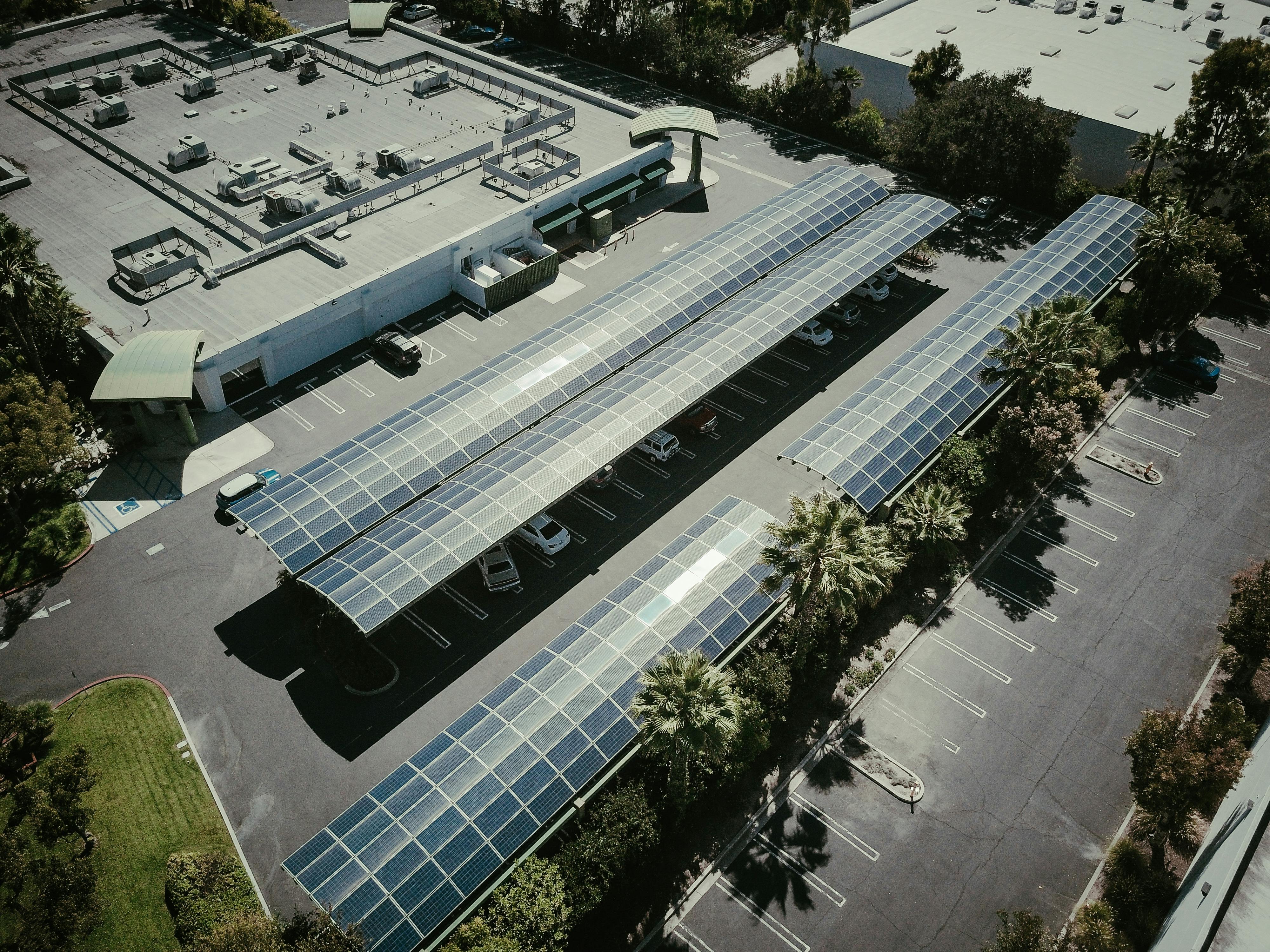
STEEL offers a wide range of mounting structures suitable for various installation scenarios, including rooftop, ground, and carport applications. Our product line includes fixed-tilt, single-axis tracking, and dual-axis tracking systems, as well as ballasted and pole-mounted options. We understand that no two projects are alike, so we provide customized engineering solutions and OEM manufacturing to meet specific project requirements. Our team works closely with clients to design mounting systems that maximize solar energy capture, adapt to different roof types (sloped, flat, or metal), and accommodate site-specific soil and terrain conditions. By offering flexible configurations, we ensure that our mounting structures deliver optimal performance, regardless of the project size or location.

Cost-Effective and Time-Efficient Installation

Our mounting systems are designed with a focus on ease of installation. Pre-assembled components and user-friendly designs reduce on-site labor time, lowering overall installation costs. Our ground mounting structures feature adjustable foundations and simple interlocking mechanisms, allowing for quick assembly and alignment. For rooftop installations, our systems are lightweight yet robust, minimizing structural load and simplifying attachment. We also provide comprehensive installation guides and technical support to ensure a smooth process from start to finish. Additionally, our global supply chain and high manufacturing capacity ensure timely delivery of components, keeping your solar project on schedule. By choosing STEEL, you benefit from cost-effective solutions without compromising quality or performance.

Related products

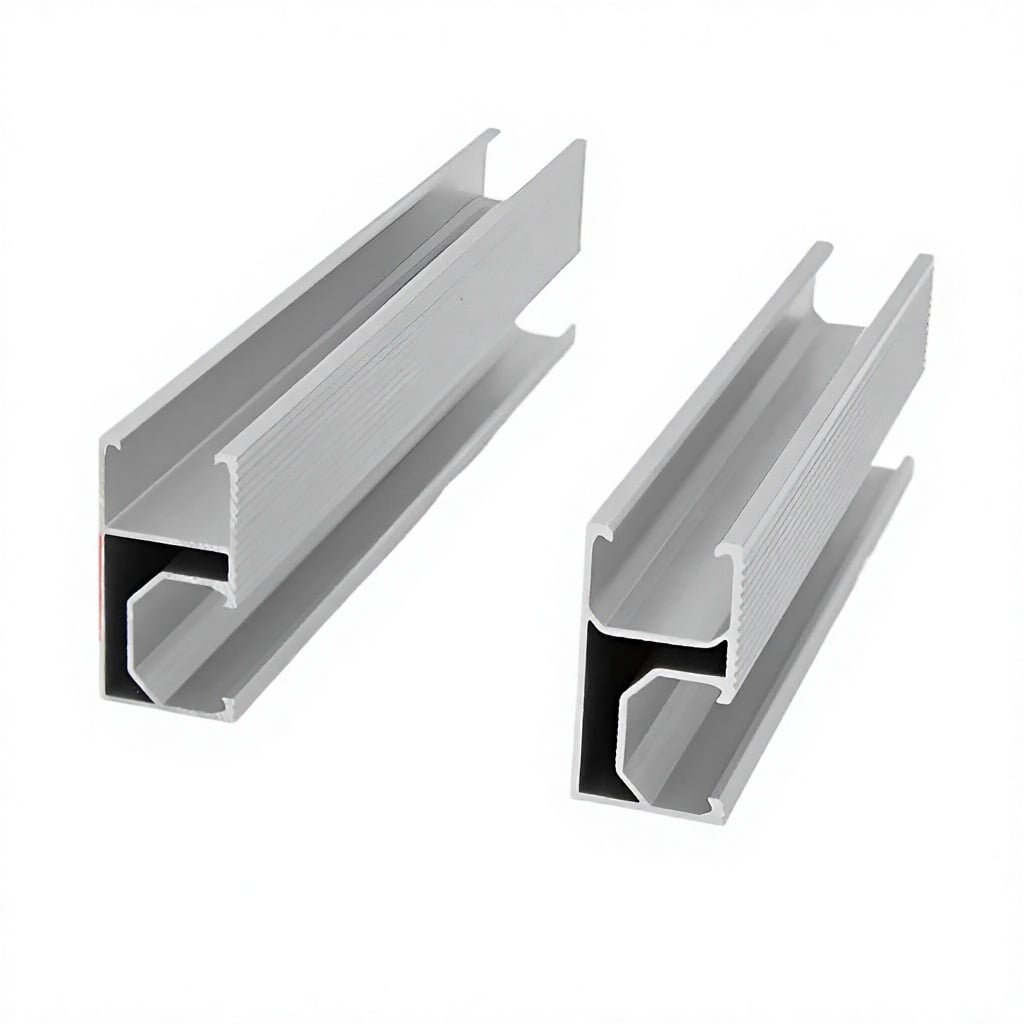
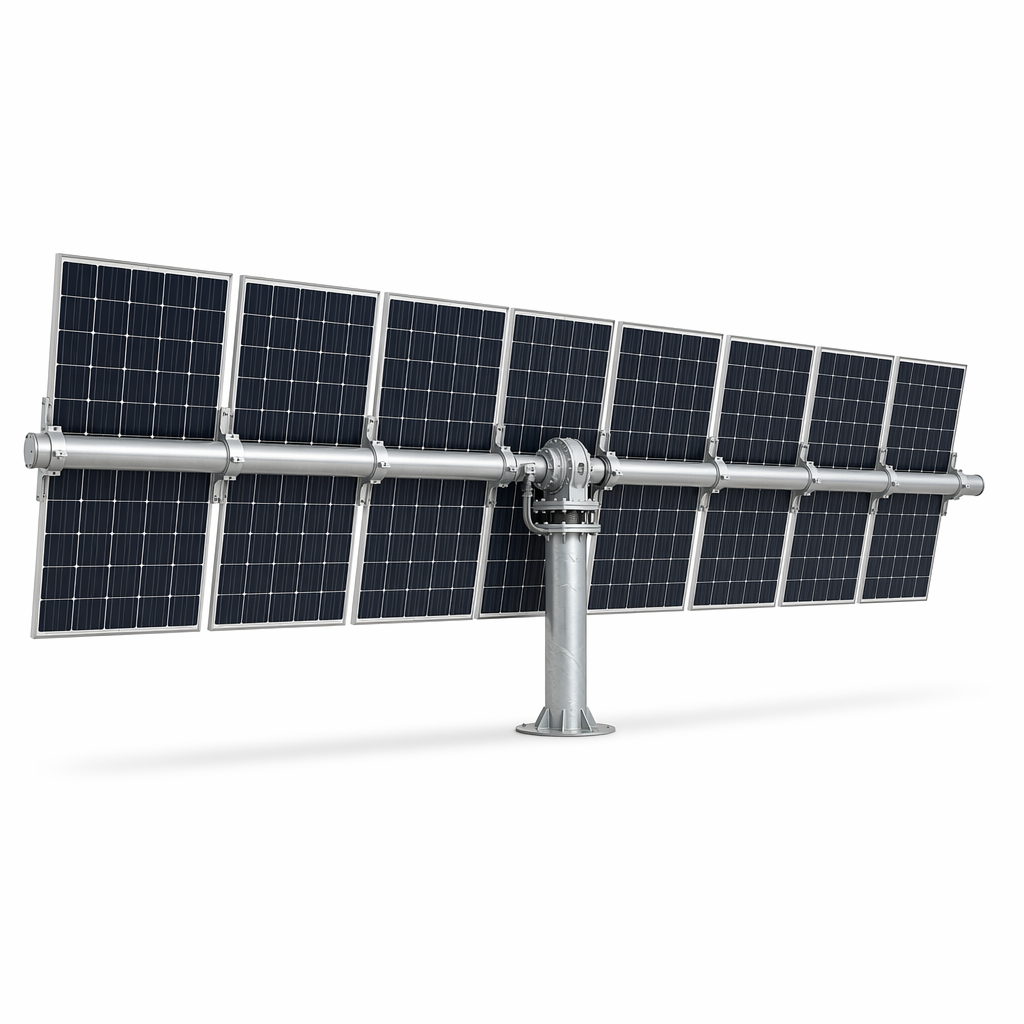
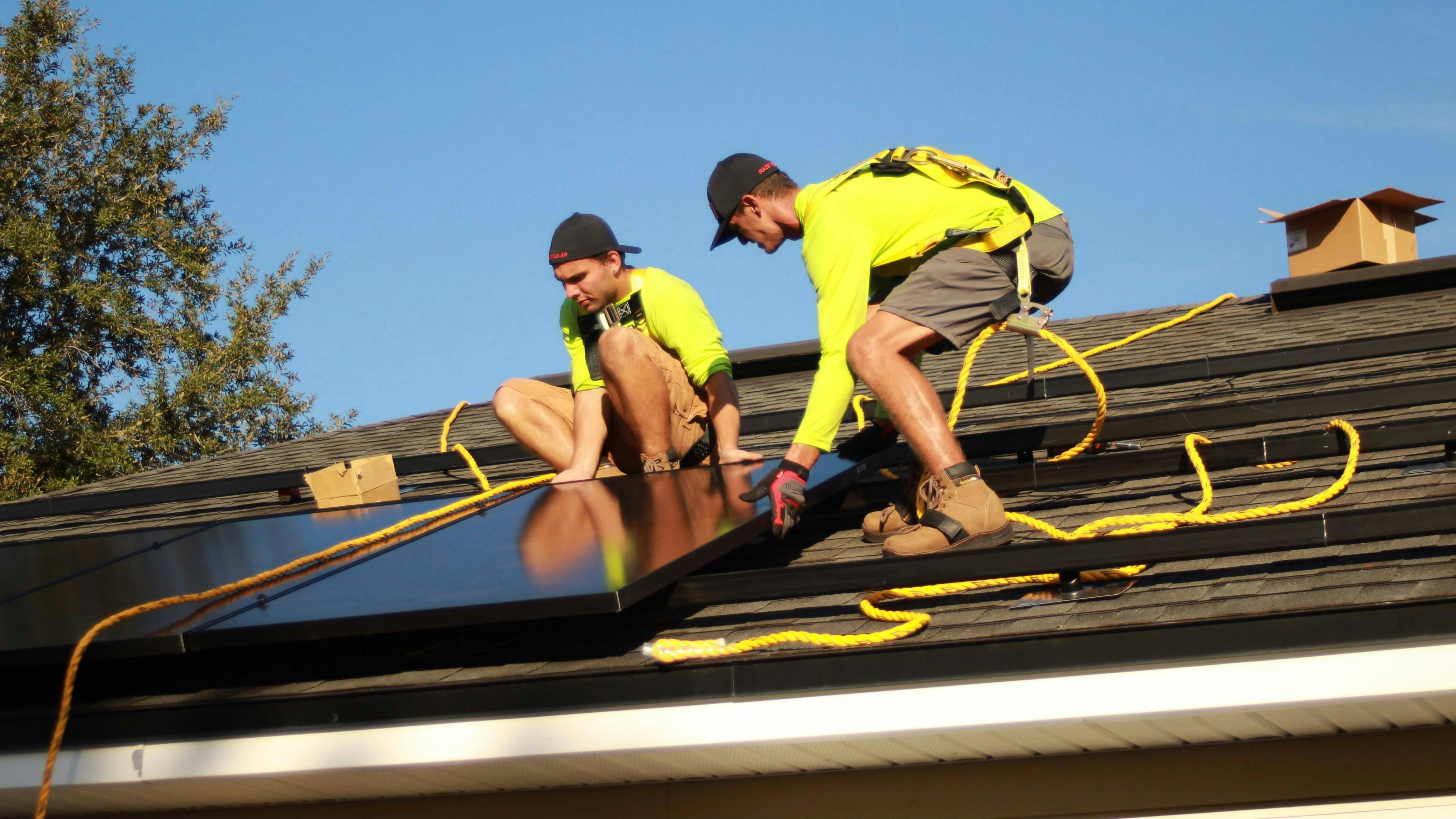
Choosing the right type of mounting structure is crucial for the success of a photovoltaic system. The primary categories include ground-mounted, roof-mounted, and tracking systems. Ground-mounted systems are ideal for large-scale solar farms; they can be fixed-tilt, which offers a cost-effective solution with minimal moving parts, or tracking systems that follow the sun to increase energy yield by up to 25% for single-axis and up to 40% for dual-axis trackers. Roof-mounted systems, on the other hand, maximize space utilization and are commonly used in residential and commercial buildings. They include rail-based systems, which provide flexible positioning of panels, and ballasted systems, which weigh down the panels without penetrating the roof membrane—perfect for flat commercial roofs. Pole-mounted systems elevate panels to follow the sun manually or automatically, suitable for off-grid applications. At STEEL, we engineer each mounting structure to meet specific wind and snow loads based on geographic location. Our products undergo rigorous testing to ensure structural integrity and compliance with international building codes. By offering a variety of types, we empower our clients to optimize energy harvest while ensuring safety and longevity. Whether you need a solution for a small residential project or a multi-megawatt solar farm, our team provides technical guidance and customized solutions to meet your unique requirements.

Frequently Asked Questions

What are the main types of mounting structures for solar panels?

The main types include fixed-tilt, single-axis tracking, dual-axis tracking, ballasted, and pole-mounted systems. Fixed-tilt structures are stationary and often used for their simplicity and low cost. Single-axis trackers rotate panels along one axis to follow the sun's path, increasing energy output. Dual-axis trackers adjust both horizontally and vertically for maximum sun exposure but are more complex. Ballasted systems use weights to hold panels in place without penetrating the roof, ideal for flat roofs. Pole-mounted systems are raised on a pole, sometimes with manual tracking, and are suitable for ground installations in uneven terrain.
The choice depends on available space, solar resource, site conditions, and budget. Ground-mounted systems are easier to orient optimally and facilitate maintenance, but they require land. Roof-mounted systems are space-saving and often use existing infrastructure, but they are limited by roof orientation and load capacity. For large utility-scale projects, ground-mounted systems are preferred. For residential or commercial buildings with suitable roofs, roof-mounted systems are more practical. STEEL offers both types and can advise based on your specific site assessment.
With proper maintenance, solar mounting structures can last 25 to 30 years or more. The lifespan depends on materials, corrosion protection, and environmental conditions. Steel structures with hot-dip galvanization or premium coatings can withstand harsh weather. STEEL uses high-quality steel and advanced coatings to ensure long-term durability, backed by our manufacturing standards.
Yes, at STEEL we provide engineering analysis to design structures that meet local building codes and site-specific wind/snow loads. Our engineers use software simulations and material tests to ensure structural stability. We offer customized foundations, frame thickness, and anchoring solutions to match your project's requirements.
We supply comprehensive installation manuals, videos, and technical support to guide your team. Additionally, we offer a full range of accessories including mounting clamps, end clamps, grounding washers, torque tubes (for trackers), and fasteners, ensuring you have everything needed for a secure installation.

Related article

What load classes must a scaffolding system meet for heavy masonry support?

01

Aug

What load classes must a scaffolding system meet for heavy masonry support?

Masonry Support Is Different From General Access Scaffolding A scaffolding system used for heavy masonry support carries loads that are fundamentally different from a typical access scaffold used for painting or light electrical work. The difference ...
View More
Why should EPC contractors audit a steel structure fabrication plant before signing a contract?

18

Aug

Why should EPC contractors audit a steel structure fabrication plant before signing a contract?

The Difference Between a Fabricator and a Trader Shows Up in the Shop Floor A steel structure fabrication plant that looks impressive from the outside can still deliver substandard work if the internal systems don't hold up. EPC contractors often fac...
View More
What are the differences between walk-through and climb-through frame scaffolding designs?

21

Aug

What are the differences between walk-through and climb-through frame scaffolding designs?

The Name Tells Part of the Story, but Not All of It Walk-through and climb-through frame scaffolding sound like they might be the same thing with different names. They're not. The distinction matters on site—for safety, for productivity, and fo...
View More
How to assemble a ringlock scaffolding tower using the rosette connection method?

27

Aug

How to assemble a ringlock scaffolding tower using the rosette connection method?

The Rosette Is the Heart of the System Ringlock scaffolding gets its name from the ring-shaped connection node—the rosette—that sits at the heart of every joint. Understanding how this connection works is the key to assembling a tower tha...
View More

Customer Reviews

Mark Johnson

STEEL's mounting structures exceeded our expectations. Their ground-mount system was robust, easy to install, and efficiently delivered. The team provided excellent technical support, ensuring our 5 MW project was completed on time. We highly recommend STEEL for any solar mounting needs.

Sarah Chen

We ordered a complete set of roof mounting systems for our commercial installations. The quality of the steel and the coating is outstanding, and the price was very competitive. STEEL's customized engineering helped us optimize the system for our specific roof profile. The installation went smoothly, saving us both time and labor costs. We look forward to a long-term partnership.

Get a Free Quote

Our representative will contact you soon.
Email
Mobile/WhatsApp
Name
Company Name
Message
0/1000
Advanced Manufacturing and Quality Assurance

Advanced Manufacturing and Quality Assurance

STEEL operates state-of-the-art production lines with high throughput, ensuring consistent quality and on-time delivery for projects of any scale. Our manufacturing facilities are equipped with automated presses, welding robots, and sophisticated coating systems. Every batch undergoes stringent quality control checks, including material thickness verification, weld integrity tests, and coating thickness measurement. This ensures that our mounting structures meet international standards and provide reliable performance for decades. We hold certifications such as ISO 9001 and annually undergo third-party audits to maintain high standards.
Custom Engineering and OEM Support

Custom Engineering and OEM Support

Our in-house engineering team excels in designing tailored mounting solutions. Using advanced CAD and finite element analysis (FEA), we can optimize structural geometry for maximum strength and minimum material usage. Whether you need a specialized foundation for ground screws, a custom tilt angle for high-latitude sites, or a non-standard mounting rail, we can engineer it. We also offer OEM services, allowing you to brand our high-quality products as your own. This flexibility is crucial for EPC contractors and distributors who require unique solutions for challenging environments.
Global Logistics and After-Sales Excellence

Global Logistics and After-Sales Excellence

With over 15 years of export experience, we have established a robust supply chain that ensures efficient shipping to over 50 countries. We use standardized packaging to minimize transit damage and provide full documentation, including packing lists and certificates of origin. Our after-sales team offers responsive technical support, helping you with installation, troubleshooting, and system optimization. We believe in building long-term partnerships, and our customers rely on us for outstanding service and product reliability.