Temporary Safety Barriers | Durable Steel Solutions for Road & Construction Safety
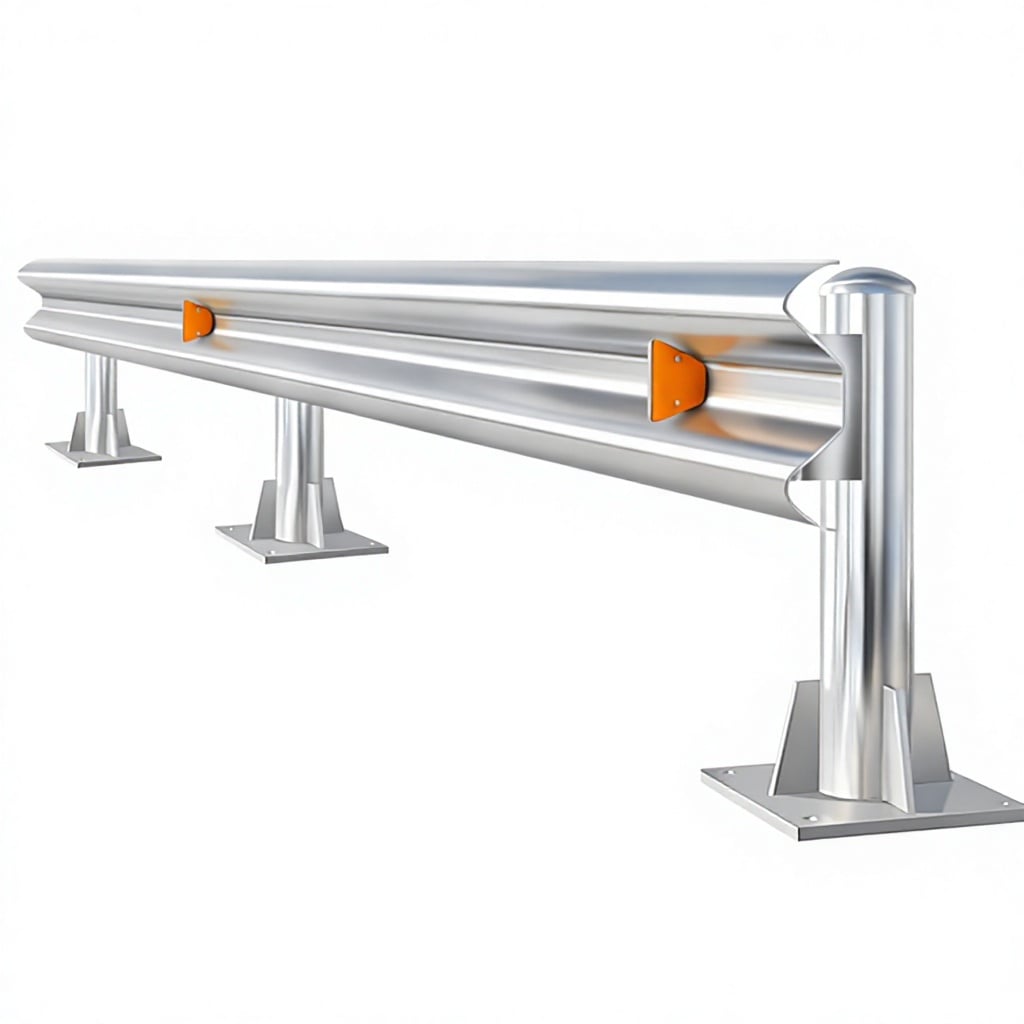
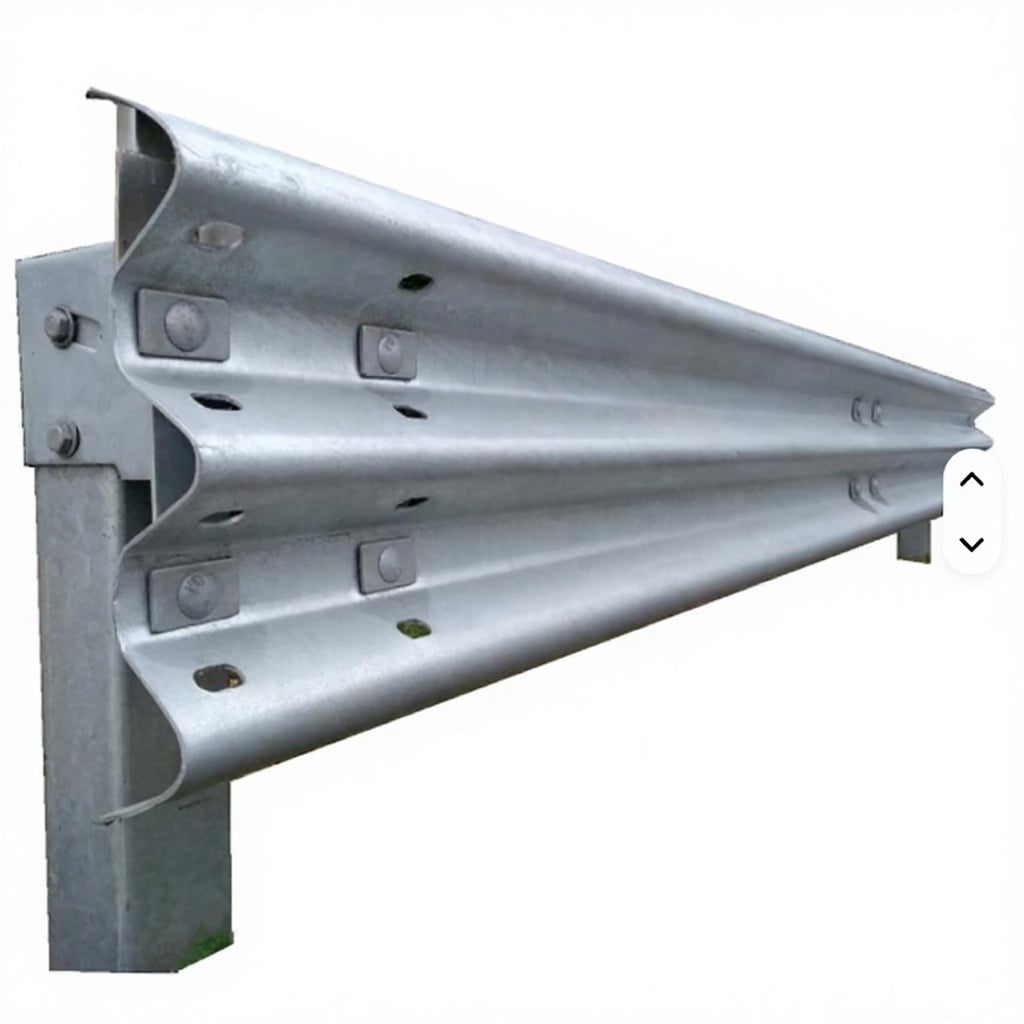
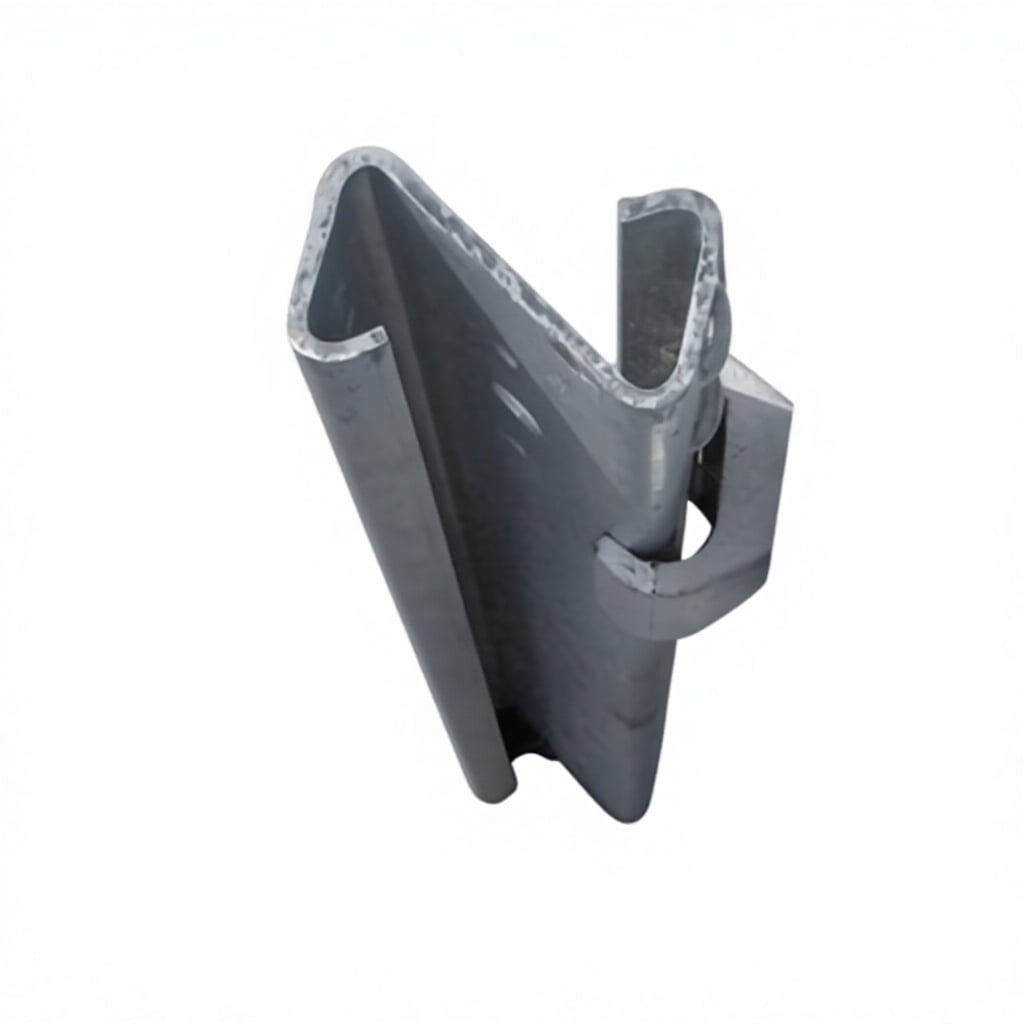
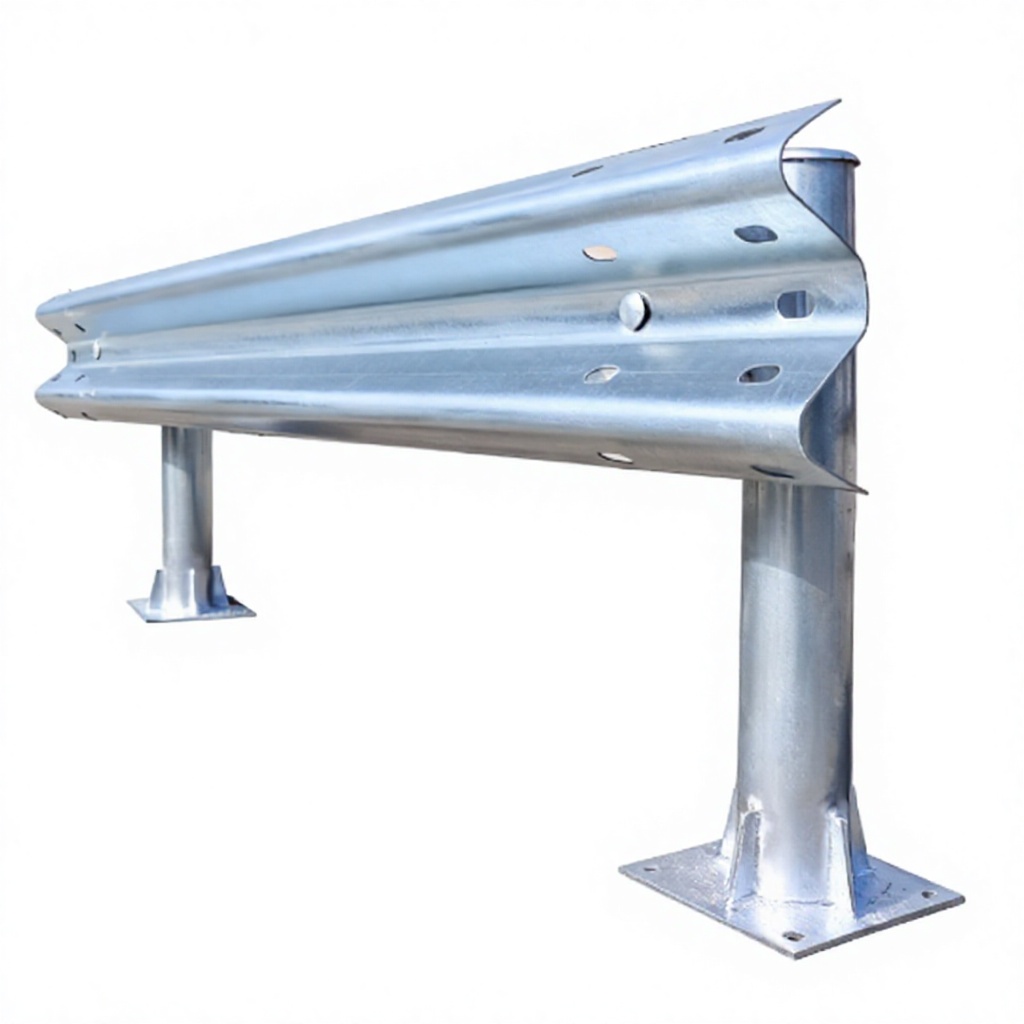
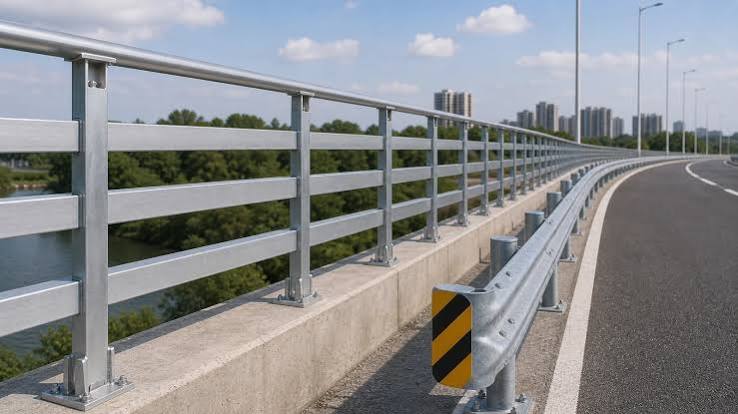
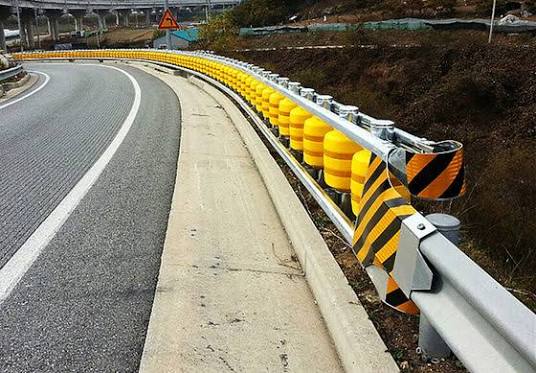
Temporary safety barriers are essential for managing traffic, protecting workers, and securing construction zones. At STEEL, we engineer high-quality temporary safety barriers that combine durability, portability, and compliance with international standards. Our barriers are designed to withstand impact, resist corrosion, and provide reliable separation in dynamic environments. With over 15 years of manufacturing excellence and a production capacity of 800,000 units annually, we supply temporary safety barriers to projects across 50+ countries. Whether for highway maintenance, urban construction, or event management, our solutions ensure safety without compromising efficiency. We offer customization in dimensions, coatings, and reflective elements to meet specific project requirements. Our commitment to quality is backed by rigorous testing and certification, ensuring each barrier delivers long-term performance.
Get A Quote

 EN
EN