Rigorous Quality Control and Certification
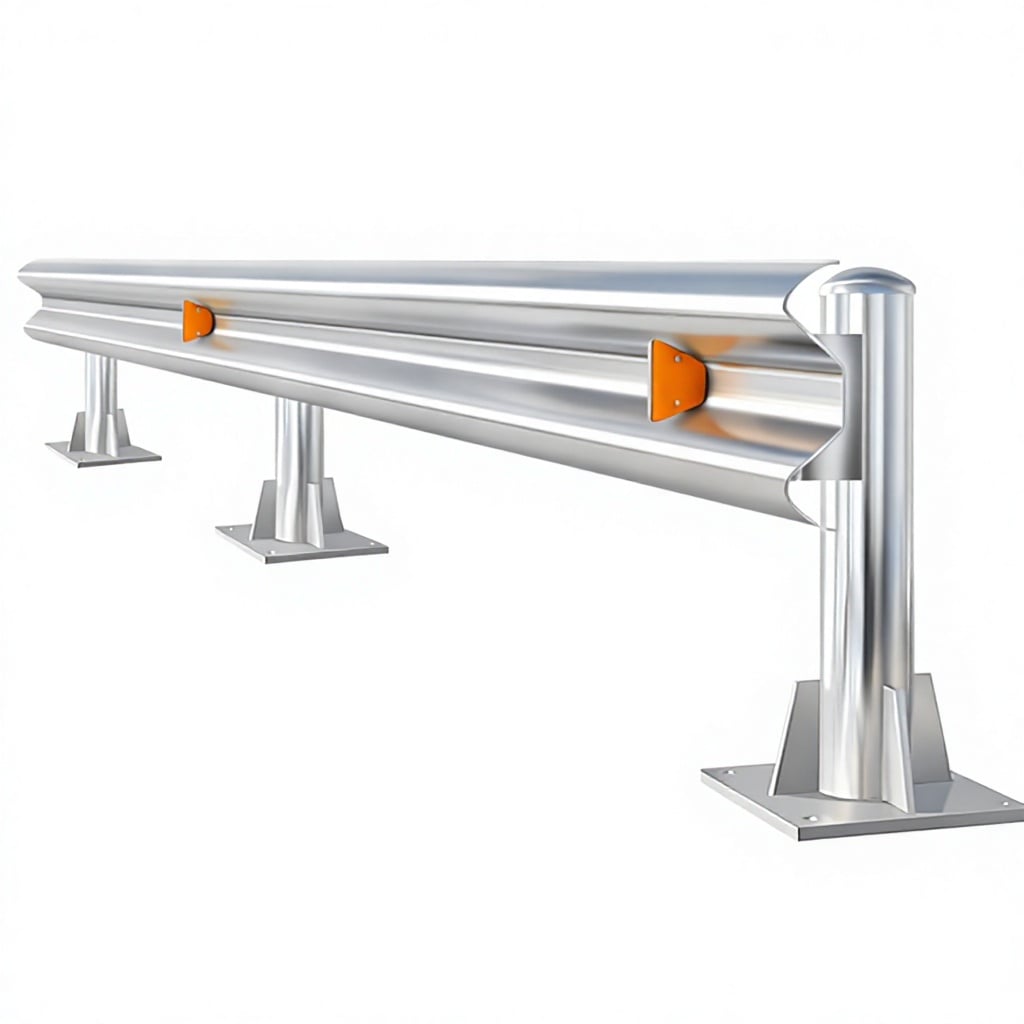
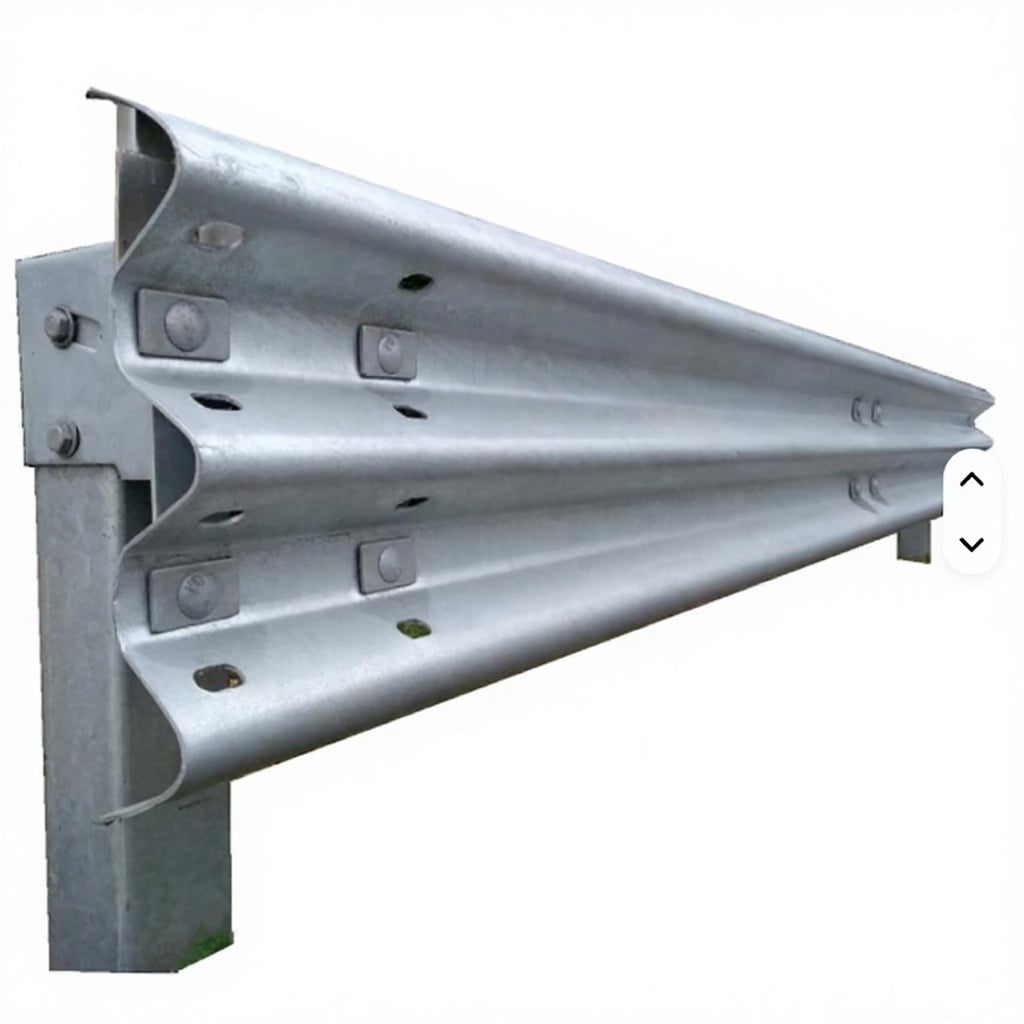
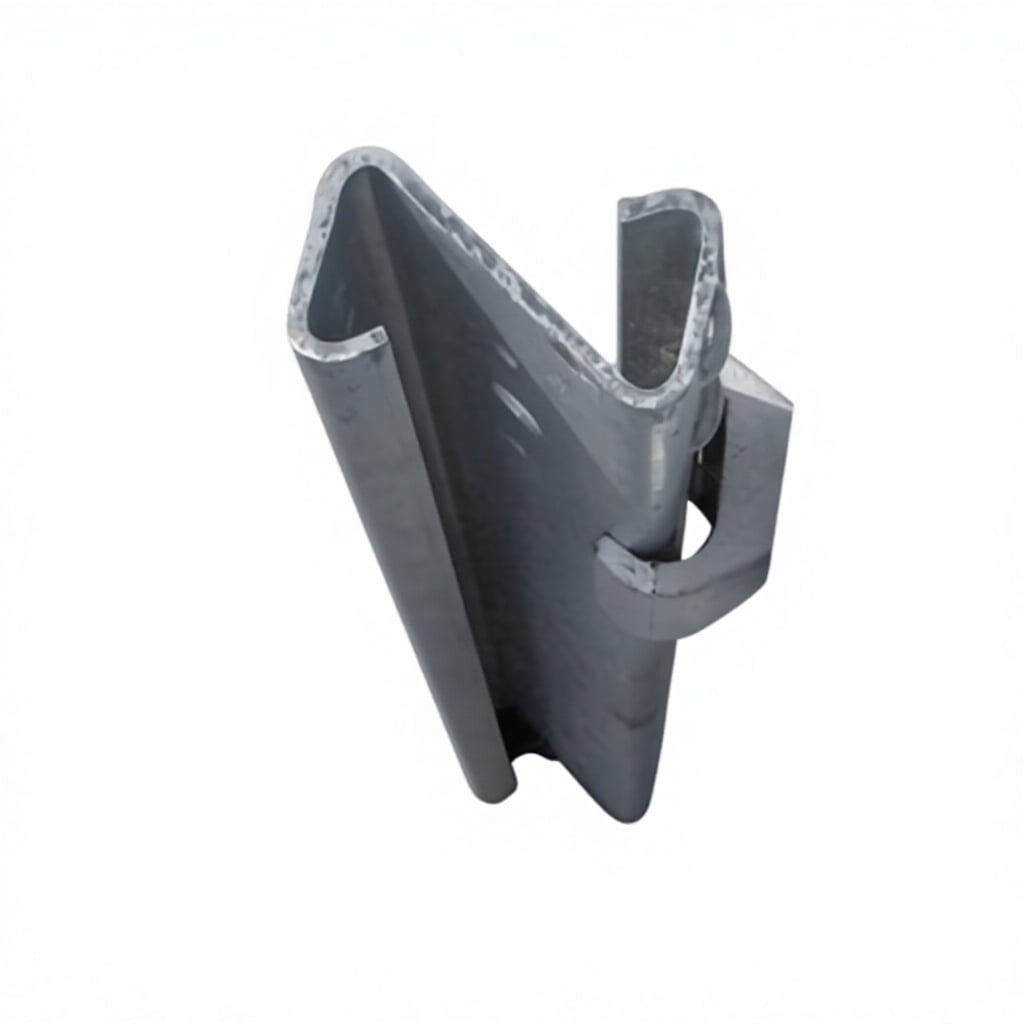
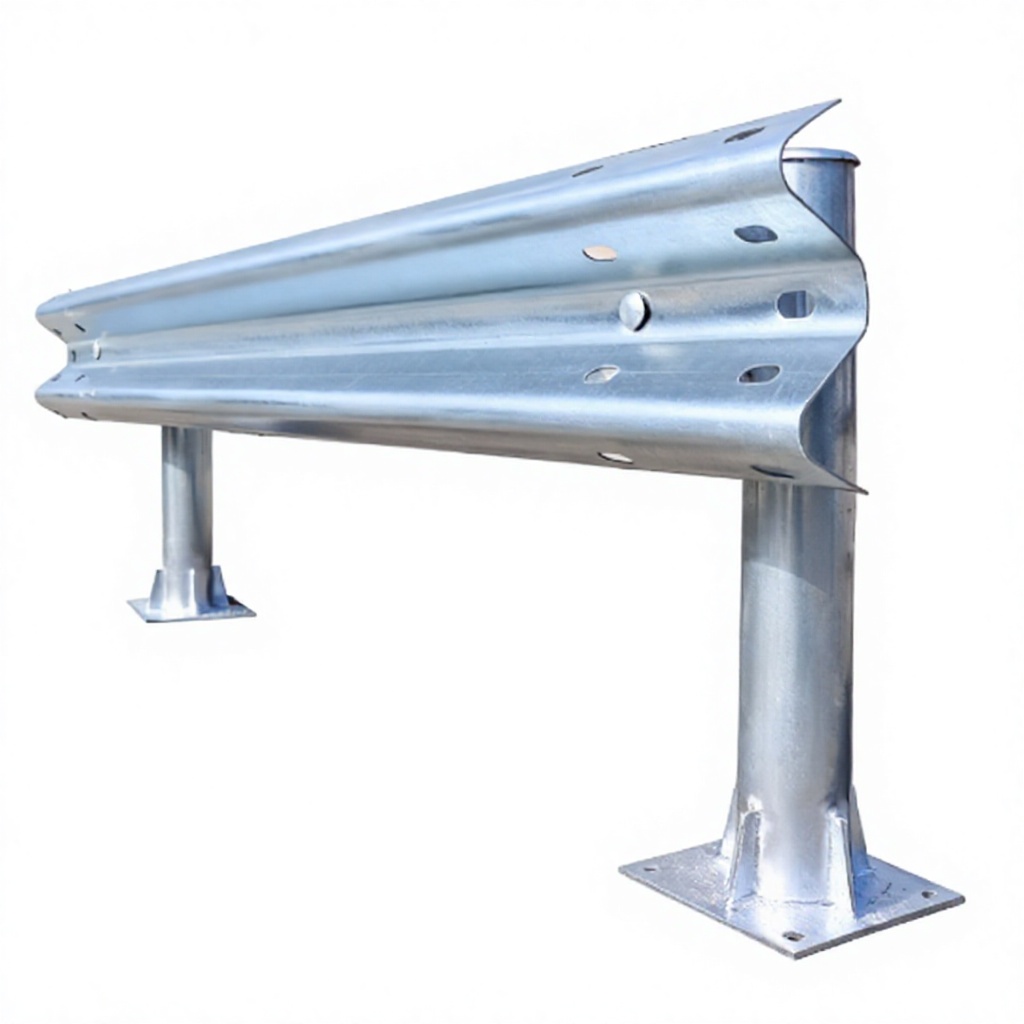
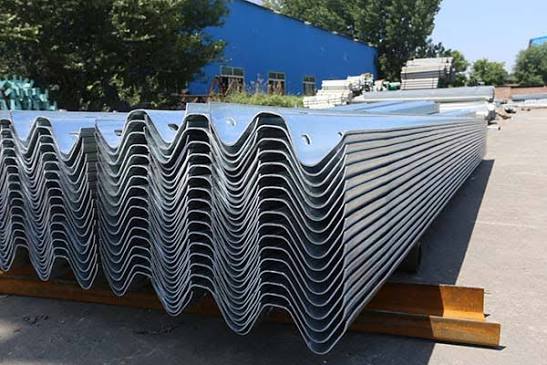
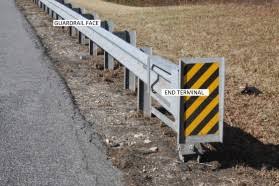
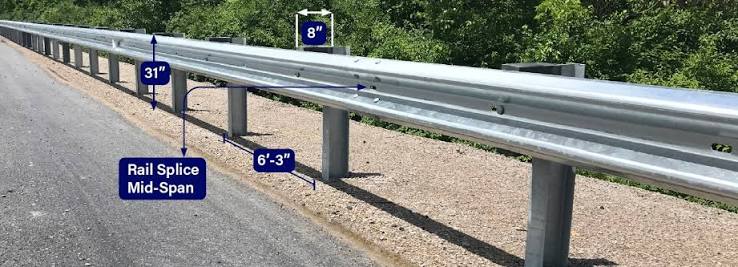
At STEEL, quality is paramount. Our bridge guardrails are produced in facilities certified to ISO 9001, and every batch undergoes comprehensive inspection, including dimensional accuracy, weld integrity, and coating thickness. We adhere to international standards, including EN 1317 for crashworthiness and AASHTO guidelines, ensuring consistent performance across different markets. Our testing capabilities include simulated impact tests and load-bearing analyses to verify that each guardrail can withstand extreme conditions. Additionally, we provide full documentation, including material certificates and test reports, for hassle-free project approvals. This commitment to quality minimizes on-site failures and extends the lifespan of your bridge infrastructure, reducing maintenance costs. By partnering with us, you gain peace of mind knowing that your bridge guardrails are certified for safety and durability, backed by a track record of successful installations worldwide.

 EN
EN