 ×
×

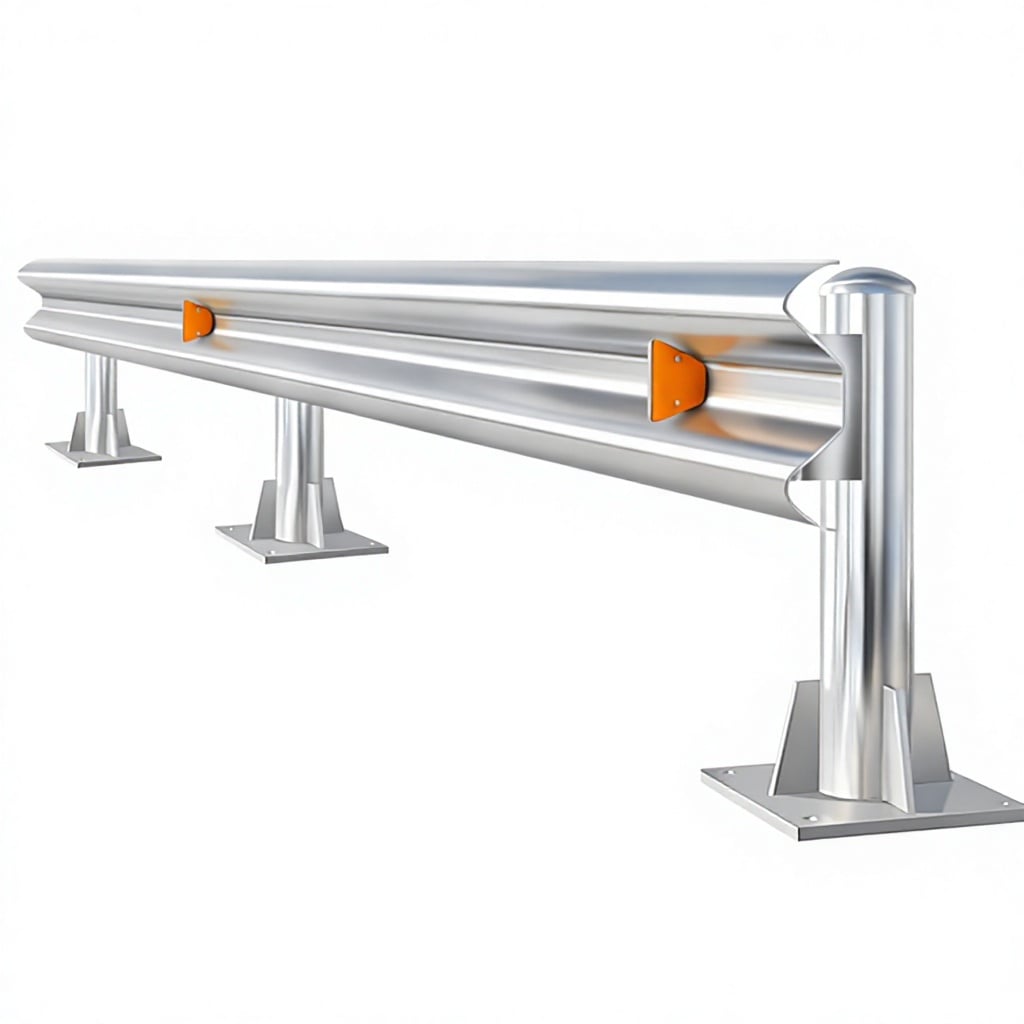
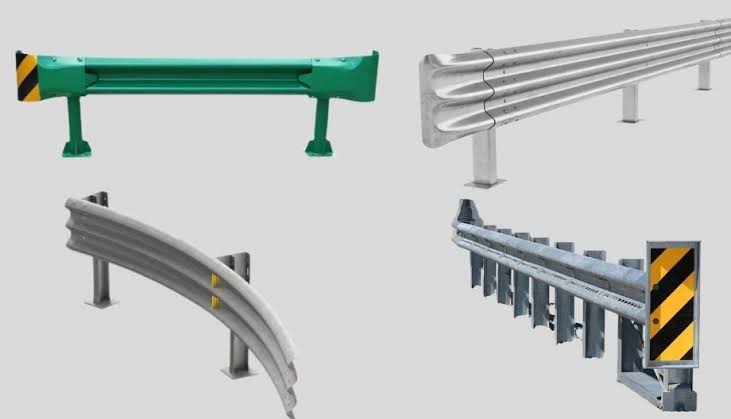
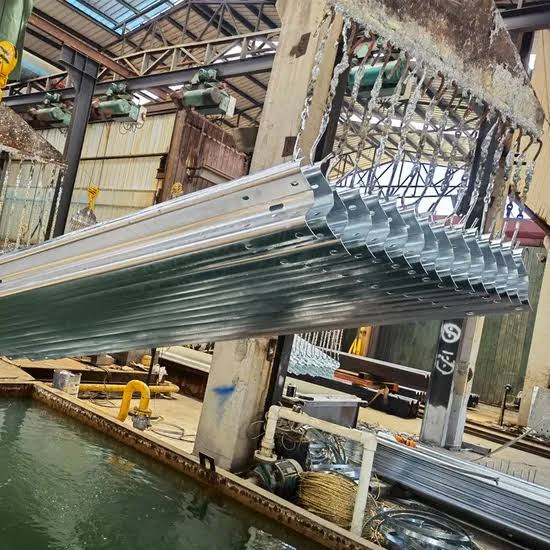
Crash barrier in road systems are essential elements of highway safety engineering, designed to prevent vehicles from leaving the roadway, crossing medians, or colliding with fixed obstacles. The implementation of effective barriers reduces the severity of accidents and saves thousands of lives annually. Modern crash barriers are engineered to absorb kinetic energy through controlled deformation, redirecting vehicles in a safe manner. The design of a crash barrier in road involves considerations such as impact speed, vehicle mass, and angle of impact. With advancements in materials and manufacturing, barriers now offer improved performance while maintaining aesthetic appeal. For instance, the W-beam guardrail provides a cost-effective solution with high energy absorption, while Thrie-beam barriers offer enhanced strength for high-risk zones. Additionally, cable barriers are becoming popular for median applications due to their flexibility and low installation cost. The placement of barriers is a critical decision: they must be positioned strategically to protect drivers without obstructing visibility. Engineers also consider maintenance access and drainage when designing barrier systems. As urbanization grows and traffic volumes increase, the demand for reliable crash barrier in road solutions is higher than ever. Investing in high-quality barriers not only improves safety but also reduces legal liabilities and repair costs. STEEL's products are designed to meet these challenges, offering robust and durable solutions for all road types.
22
Jun
22
Jun
28
Jul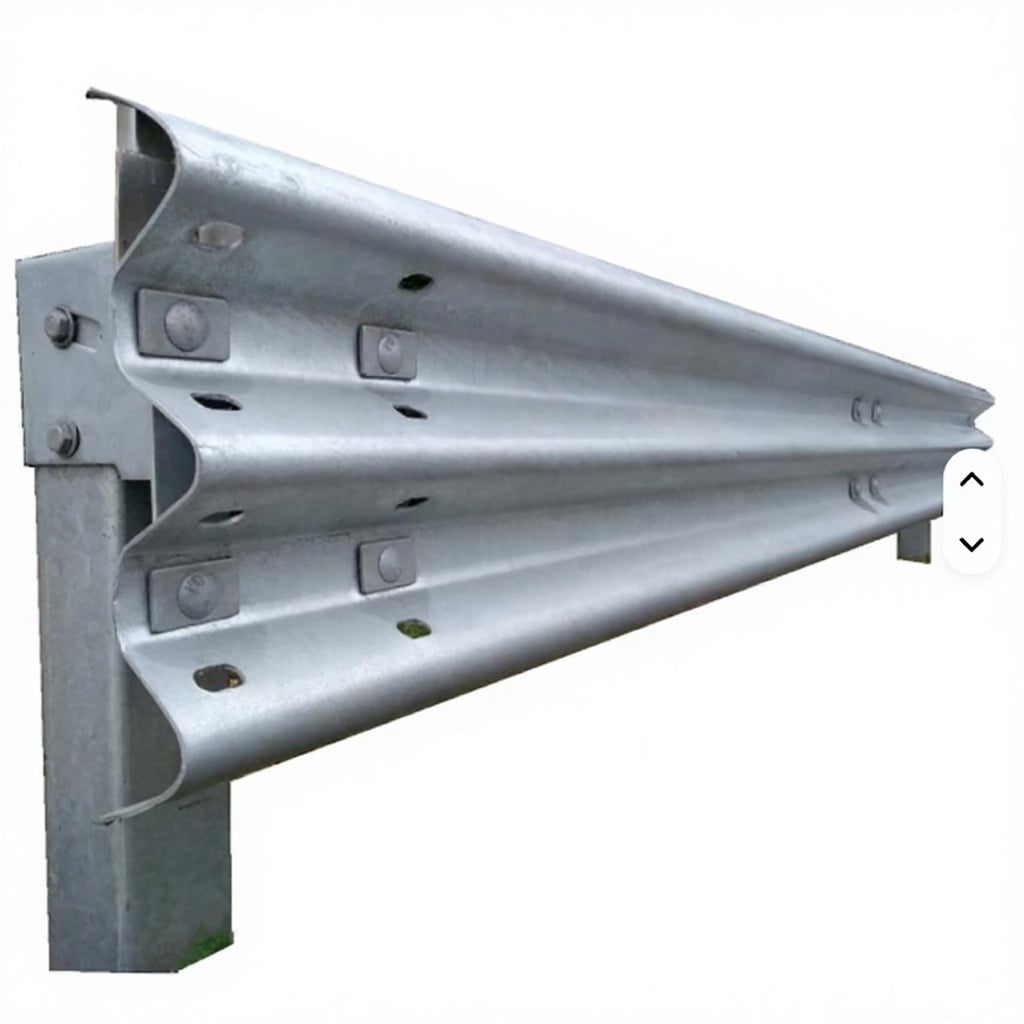
30
Jul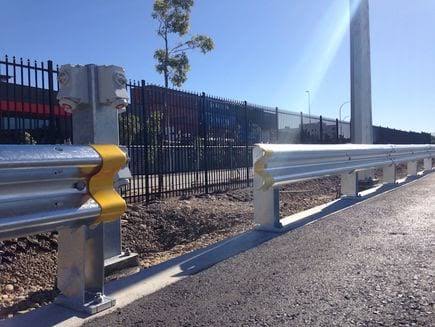

 EN
EN