 ×
×

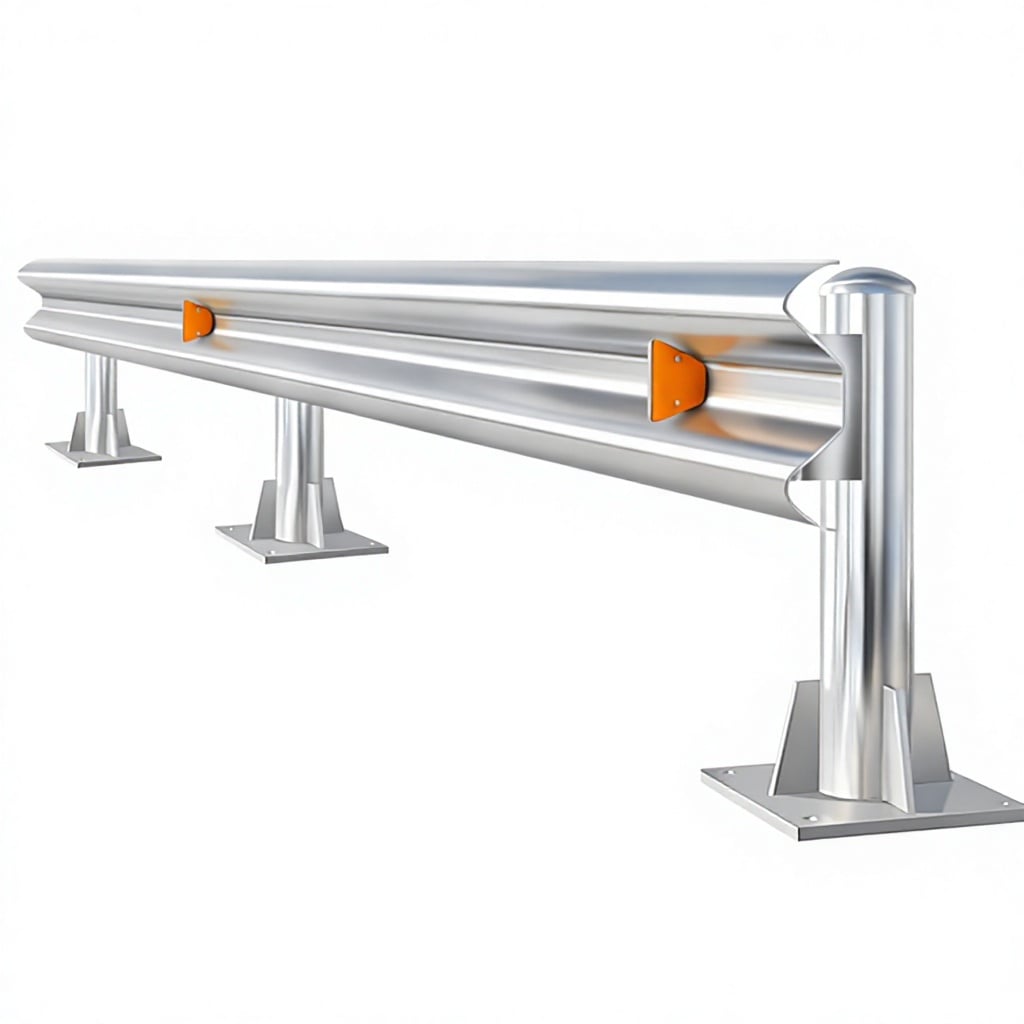
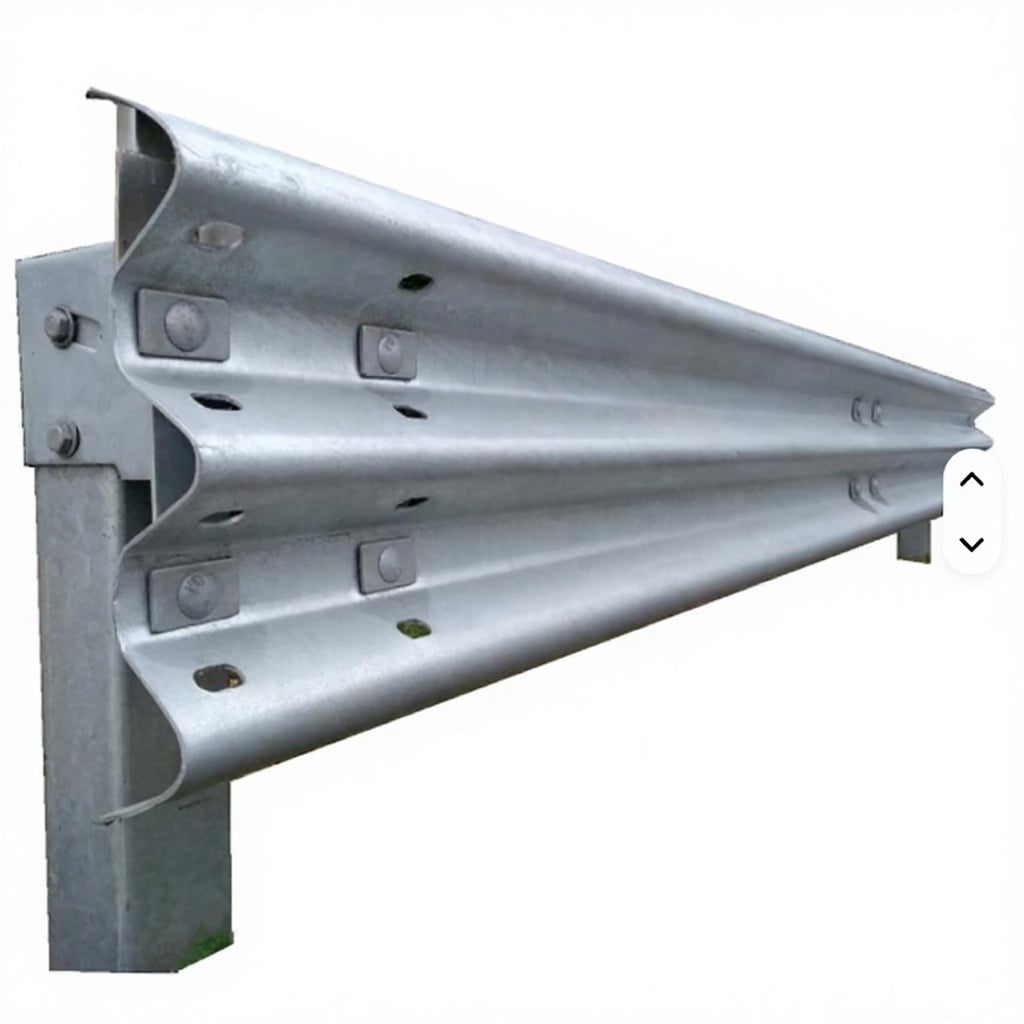
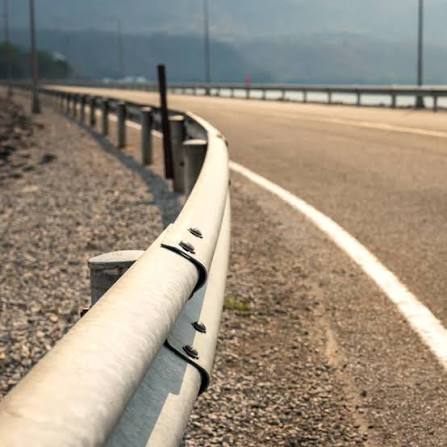
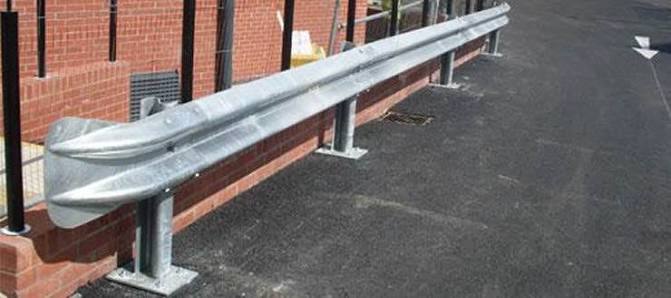
Crash barriers on roads are more than just safety fixtures; they are essential investments in public welfare and infrastructure resilience. Effective barrier systems reduce the severity of accidents by preventing vehicles from crossing into opposing traffic, plunging off embankments, or colliding with fixed objects. In high-speed roadways, barriers must be engineered to manage kinetic energy efficiently while maintaining vehicle stability. The choice of material plays a critical role: steel offers an optimal balance of strength, ductility, and cost-efficiency. High-quality steel barriers can absorb significant impact forces through controlled deformation, redirecting vehicles safely back onto the road. Furthermore, maintenance of steel barriers is straightforward – regular inspection and painting ensure longevity, making them an economical choice over the lifecycle. For highway authorities and contractors, selecting the right crash barrier involves evaluating traffic volumes, vehicle mix, and roadside hazards. Our steel barriers, tested to EN 1317 and MASH standards, provide reliable performance across varied conditions. They are also environmentally friendly, as steel is 100% recyclable, supporting sustainable infrastructure initiatives. By integrating durable crash barriers on roads, we contribute to safer, more efficient transportation networks that protect lives and reduce long-term costs.
22
Jun
28
Jul
29
Jul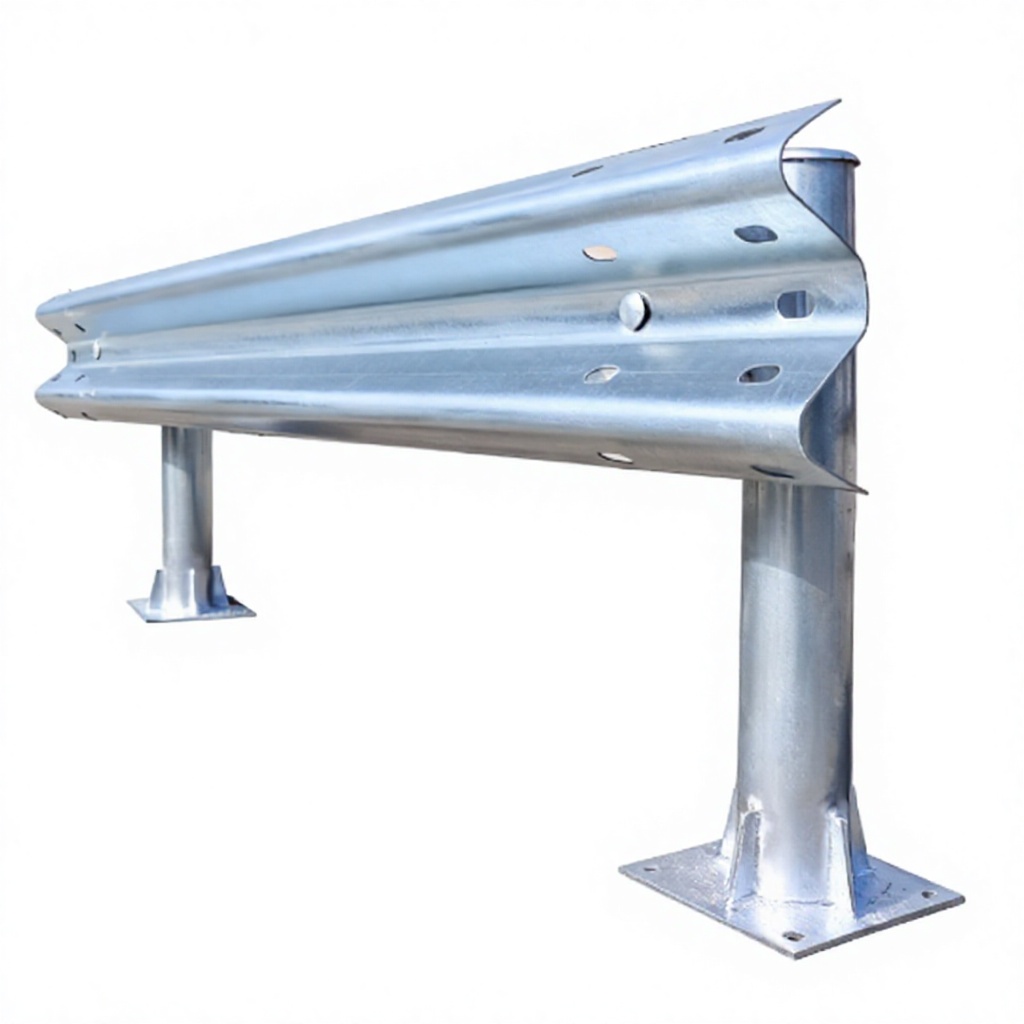
31
Jul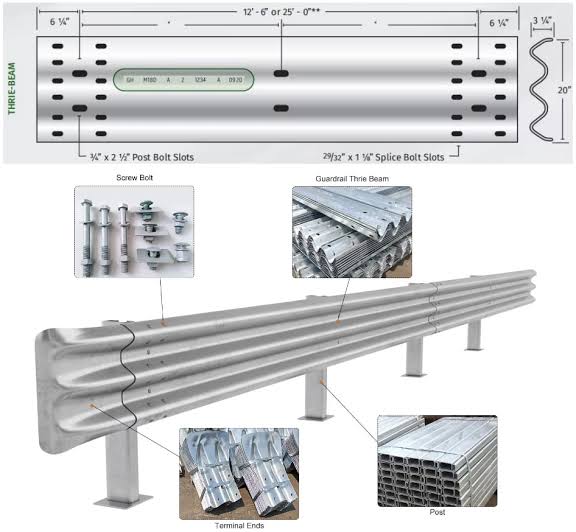

 EN
EN