Comprehensive W Beam Guardrail Specifications for Global Road Safety Projects
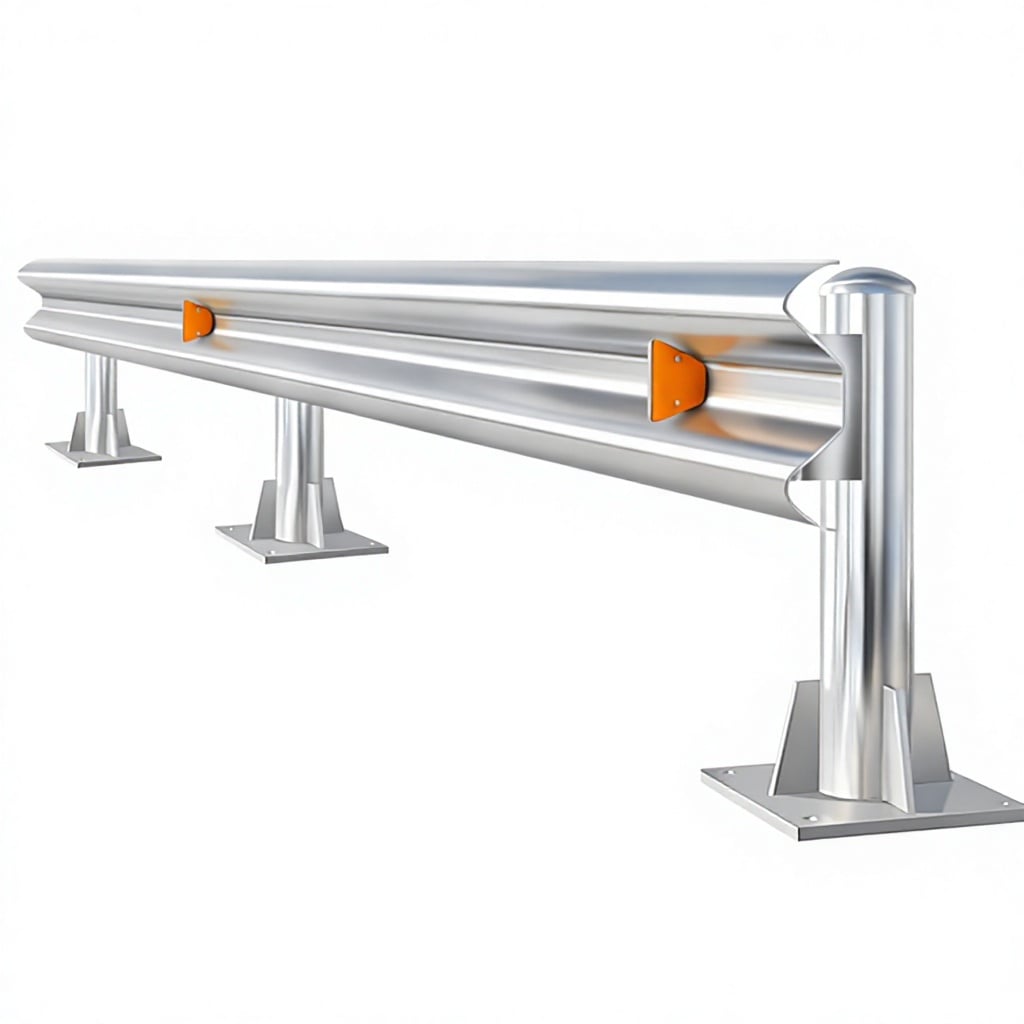
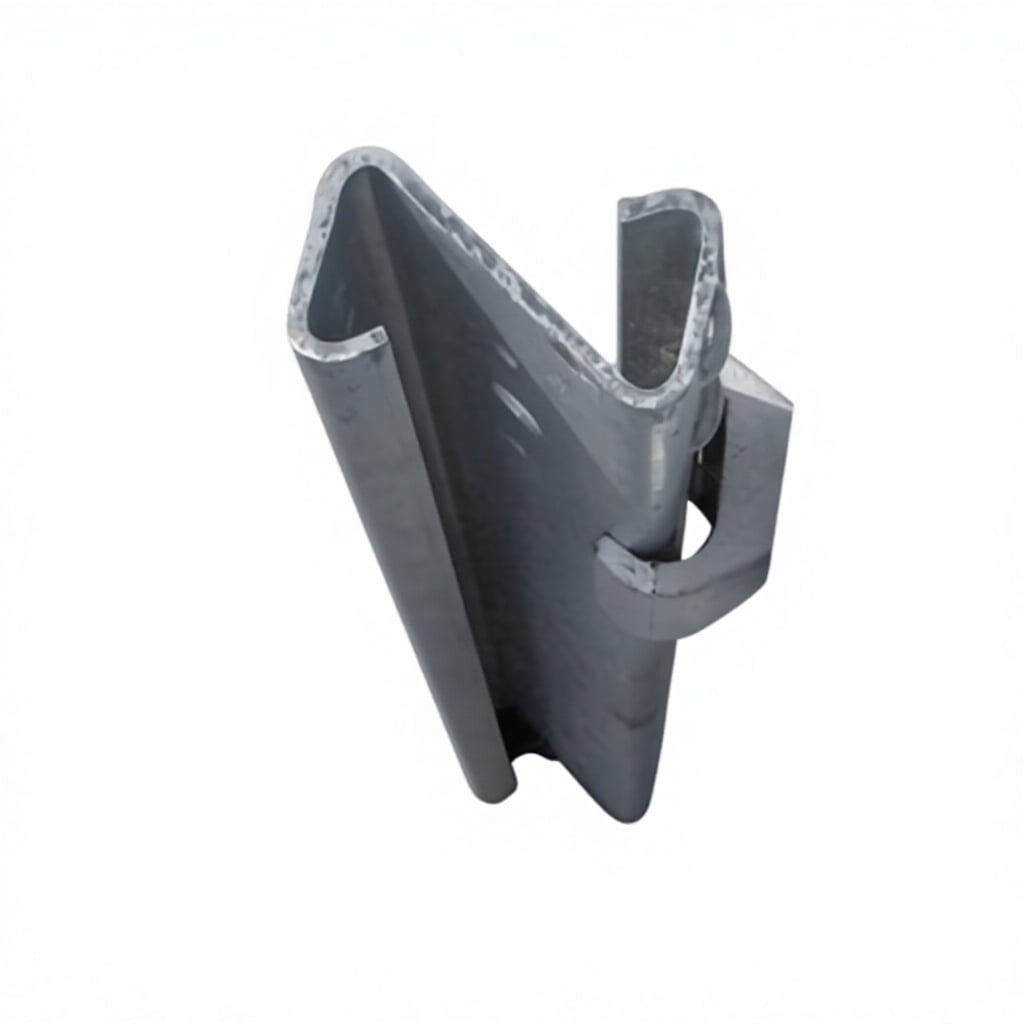
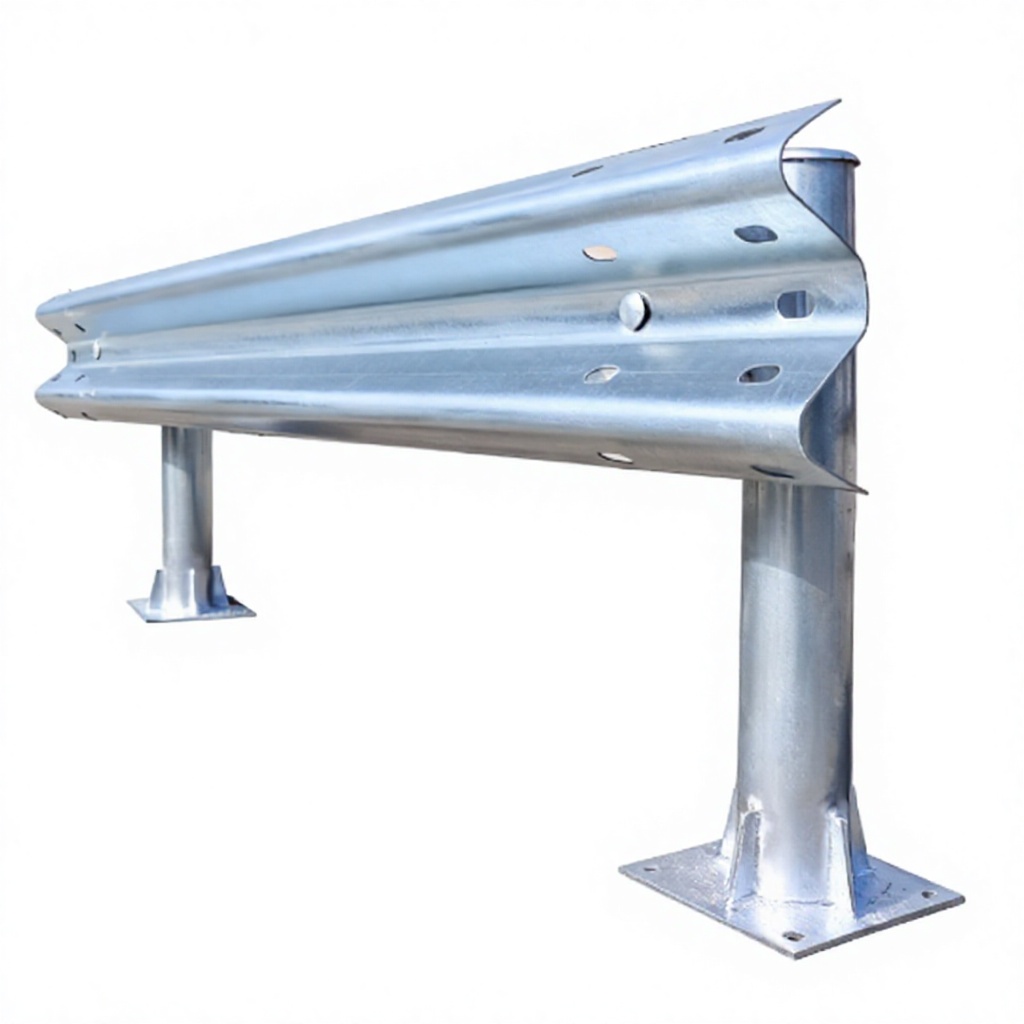
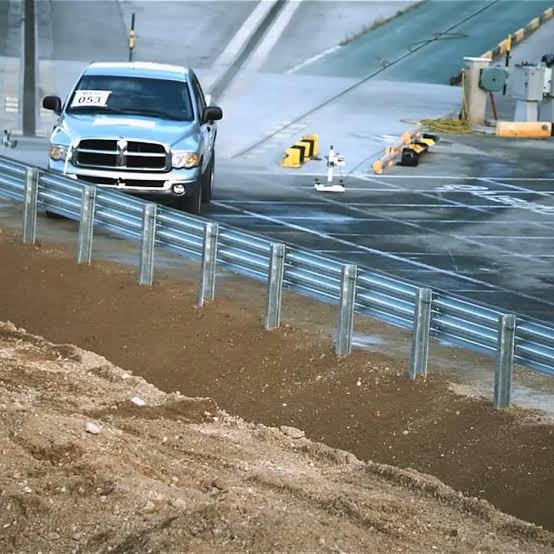
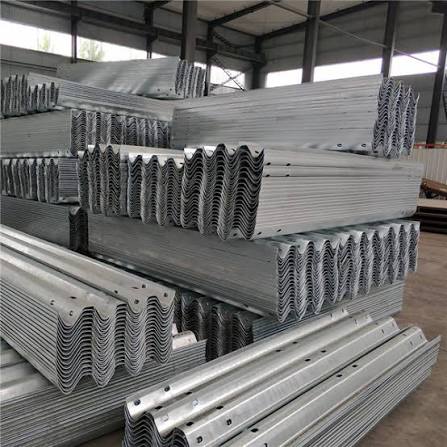
Discover the detailed W beam guardrail specifications essential for modern highway safety infrastructure. As a leading manufacturer of steel infrastructure products, STEEL provides high-quality guardrail systems designed to meet rigorous international standards. Our W beam guardrails are engineered for optimal crash absorption, durability, and cost-effectiveness, ensuring reliable protection for roads, bridges, and construction zones. This page offers a comprehensive overview of our guardrail specifications, including material grades, dimensional tolerances, surface treatments, and installation guidelines. We cater to global clients with large-scale manufacturing capacity, custom engineering, and OEM services, supporting projects from design to delivery. With over 15 years of export experience and a presence in more than 50 countries, our guardrails are trusted for their structural integrity and long-term performance.
Get A Quote

 EN
EN